

Becoming a successful chef requires passion, disciplined training, practical experience, and continuous growth in both technical skills and professional mindset. The journey transforms food lovers into industry leaders capable of running high-pressure kitchens while creating memorable dining experiences.
Essential Skills Every Successful Chef Needs
Mastery of core culinary techniques forms the foundation of chef success. Knife skills, cooking methods, flavor balancing, plating artistry, and ingredient knowledge separate professionals from hobbyists.
Beyond technical ability, successful chefs develop:
Time management for high-volume service
Leadership to direct kitchen teams effectively
Creativity for menu innovation and specials
Business acumen for cost control and profitability
Step 1: Complete Professional Culinary Training After 12th
The fastest path begins immediately after 12th standard with a recognized diploma program. In India, students from any stream qualify for 1-year or 2-year culinary diplomas that teach continental cuisines, kitchen operations, and hygiene standards.
IIHCA offers two assured diploma programs perfect for career starters:
1-Year Assured Diploma in Culinary Arts (6 months institute + 6 months abroad training)
2-Year Assured Diploma (International) in Culinary Arts & Science (1 year institute + 1 year internship)
These programs provide the formal certification employers expect from entry-level candidates.
Step 2: Gain Real Kitchen Experience Through Internships
Classroom training alone cannot prepare you for professional kitchens. Successful chefs complete structured industrial training in hotels and restaurants, building stamina and speed.
IIHCA guarantees international internships in destinations like Dubai, Mauritius, Bahrain, and Spain, where students work in 4-5 star properties. This abroad exposure creates immediate resume differentiation
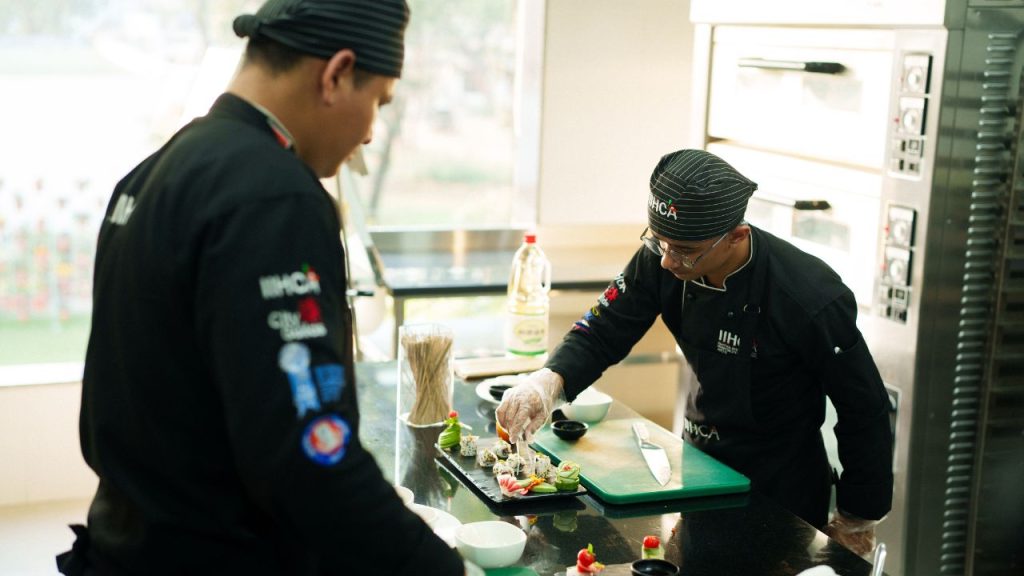
Step 3: Master the Kitchen Brigade Hierarchy
Professional kitchens follow strict hierarchy. Start as Commis Chef, progress to Demi Chef de Partie, Chef de Partie, Sous Chef, then Executive Chef. Each level demands 1-3 years of proven performance.
Key career milestones:
Commis Chef (0-2 years): Learn stations, speed, consistency
Chef de Partie (2-5 years): Run complete sections independently
Sous Chef (5-8 years): Manage teams, quality control
Executive Chef (8+ years): Full kitchen leadership, P&L responsibility
Step 4: Build International Experience and Credentials
Global exposure separates top chefs from local talent. After initial hotel experience, target cruise lines, UAE hotels, resorts, or European kitchens. IIHCA alumni leverage their abroad internships toward cruise ship roles after 2 years of 4-5 star hotel work.
Additional certifications boost credibility:
Food Safety Level 2/3
HACCP certification
STCW Basic Safety (for cruises)
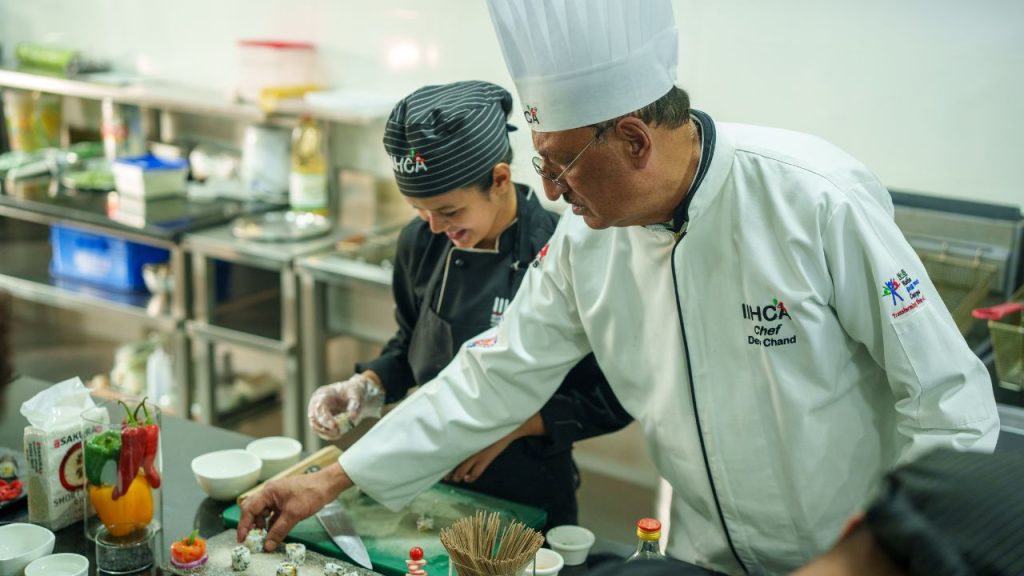
Step 5: Specialize to Stand Out
Successful chefs develop expertise in high-demand niches:
| Specialization | Career Opportunities | Training Path |
|---|---|---|
| Continental Cuisine | 5-star hotels, cruises | IIHCA diplomas |
| Pastry & Bakery | Luxury hotels, patisseries | Advanced diploma |
| Butchery | Cruise galleys, steakhouses | Specialization courses |
| Fusion/Modern | Fine dining, resorts | International internships |
Daily Habits of Highly Successful Chefs
Top chefs maintain routines that sustain excellence:
Taste everything before service (develop palate)
Document recipes and techniques systematically
Stay physically fit for 12-hour shifts
Read industry news, attend food festivals
Mentor juniors, build kitchen culture
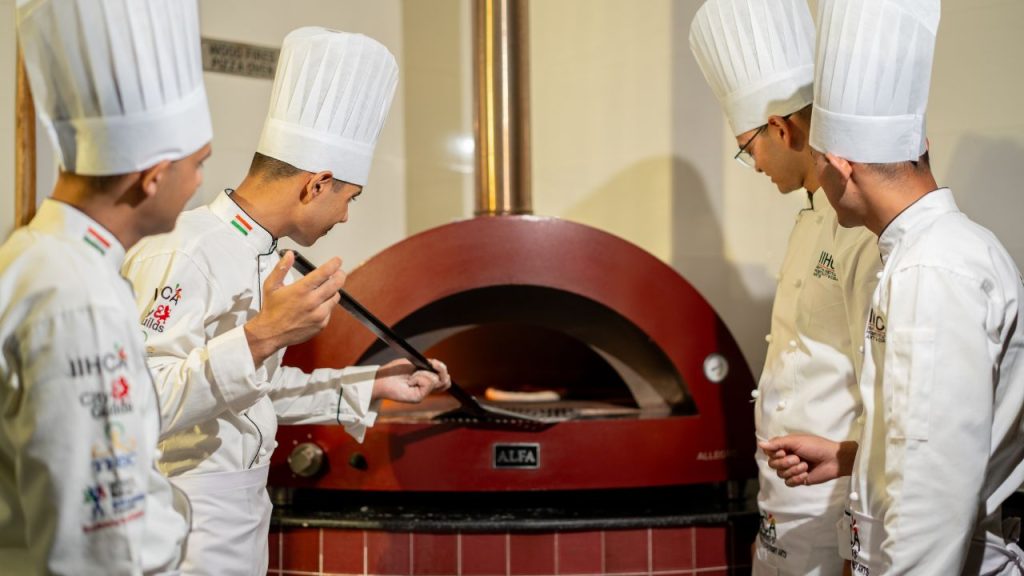
Why IIHCA Creates Successful Chefs?
IIHCA’s structured pathway delivers measurable results: 8,500+ alumni working abroad, 3,500+ on luxury cruise lines. Their programs guarantee:
Training by internationally experienced chefs
Assured abroad industrial training
Placement support in 4-5 star properties
Clear progression to cruise and international careers
Common Mistakes to Avoid
Skipping formal training (employers prefer certified candidates)
Job hopping (stay 1-2 years minimum per role)
Neglecting soft skills (leadership matters as much as cooking)
Ignoring hygiene documentation (mandatory for abroad work)
Student Success Stories
Our alumni are our pride! Here’s what some of our students have to say:
Start Your Chef Career Today
Passion alone doesn’t create success—structured training does. Post-12th students should immediately enroll in a 1-2 year culinary diploma with abroad training guarantee. IIHCA’s assured programs provide the fastest path from beginner to professional working in Dubai hotels or cruise ship galleys.
Next Steps: Contact IIHCA for 2026 batches. Your Executive Chef title awaits after 8-10 years of deliberate practice and progression. The kitchen hierarchy rewards those who commit fully.