

If you love cooking shows, dream of running your own restaurant, or imagine working on a luxury cruise ship, you’re not alone. Thousands of young Indians after 12th are choosing culinary arts because it offers creativity, teamwork, travel and, at higher levels, very strong earning potential in India and abroad.
Modern professional kitchens still follow the classic French Brigade de Cuisine system – a structured hierarchy where each chef has a clear role, from Commis at the bottom to Executive Chef at the top. This system keeps a busy hotel or cruise kitchen running smoothly during peak hours, when hundreds of plates must be served perfectly and on time.
In 2026, the brigade system has adapted to many formats: 5-star hotels, standalone restaurants, luxury cruises, central production kitchens, catering companies, private villas and corporate brands. Alongside traditional roles like Saucier or Pastry Chef, you now see modern chef careers such as Wellness Chef, R&D Chef, Cruise Ship Chef and high-earning Private Chef roles for ultra-rich clients.
For beginners, the reality is clear: most people start as Commis (trainee or junior chef), learn on the job, and slowly climb the ladder to Chef de Partie, Sous Chef and eventually Executive Chef or specialist roles. Having a structured culinary diploma after 12th – like IIHCA’s 1-Year and 2-Year Culinary Arts Diplomas in Khatima, Uttarakhand – makes it much easier to enter the industry at Commis level and get placed in good hotels or cruise lines.
In this guide, you’ll learn the different types of chefs in the kitchen hierarchy, what each role actually does day-to-day, realistic salary ranges in India and abroad in 2026, and the step-by-step career path from Commis Chef to Executive Chef or specialist.
Understanding the Kitchen Hierarchy – Brigade de Cuisine in 2026
The Brigade de Cuisine is a structured pyramid where each chef rank has specific responsibilities and authority. At the top are management-level chefs (Executive Chef and Sous Chef), in the middle are station specialists (Chef de Partie roles), and at the base are Commis and kitchen assistants who support the entire operation.
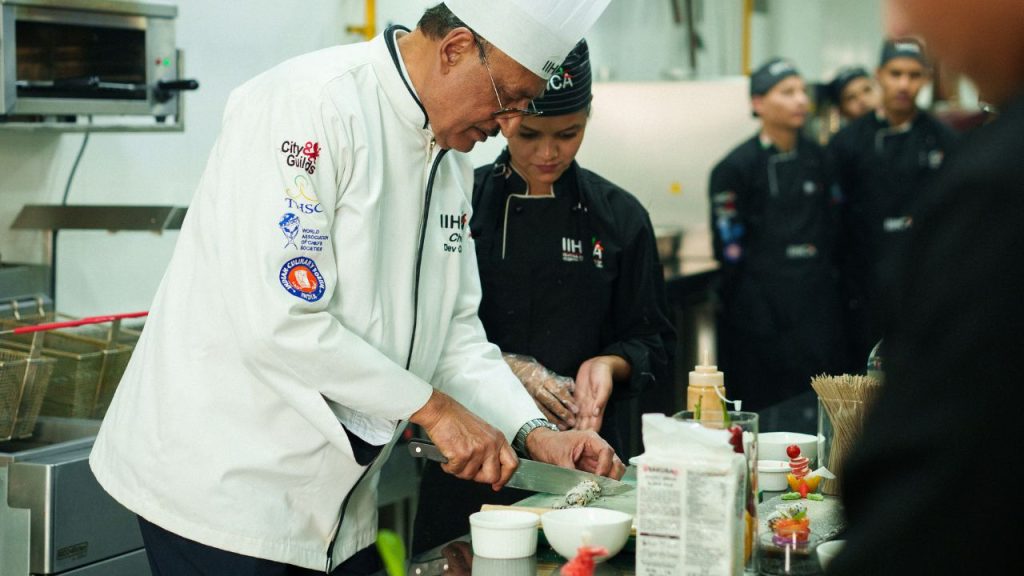
In classic French hotels and fine-dining restaurants, the full brigade includes many specialist stations – sauce, fish, meat, vegetables, pastry, cold kitchen, butchery and more. In modern Indian restaurants or smaller cafés, one chef may handle multiple stations, but the hierarchy and job titles still follow the same logic: clear chain of command, teamwork and quality control.
Cruise ship galleys use a very similar hierarchy, sometimes with even more levels because they produce thousands of meals per day. You’ll find Executive Chef, Executive Sous Chef, Chef de Partie for different sections (main galley, crew galley, pastry), plus strong focus on hygiene and international standards.
Here is a simple overview of the types of chefs in kitchen hierarchy:
| Level | Typical Titles | Core Focus |
|---|---|---|
| Top Management | Executive Chef, Head Chef, Chef de Cuisine | Menu, cost control, leadership, strategy |
| Mid-Level Management | Sous Chef (Senior & Junior) | Day-to-day operations, supervision |
| Station Specialists | Chef de Partie (Saucier, Patissier, etc.) | Running a specific section/station |
| Junior Production | Commis I/II/III, Demi Chef de Partie | Cooking under supervision, prep work |
| Entry & Support | Trainee, Apprentice, Kitchen Assistant | Basic prep, dishwashing, cleaning |
Top Management Level Chefs
Executive Chef / Chef de Cuisine / Head Chef
At the very top of the hierarchy is the Executive Chef (also called Chef de Cuisine or Head Chef in many properties). This role is less about chopping onions and more about leadership, creativity and business decisions.
Key responsibilities:
Designing menus and seasonal specials based on concept and target guests.
Managing food cost, inventory, vendor relations and gross profit.
Leading the entire kitchen team: hiring, training, scheduling, discipline.
Maintaining hygiene and safety standards as per hotel and government norms.
Coordinating with General Manager, F&B Manager, Banquet team and sometimes marketing.
In India in 2025–26, Executive Chef salaries in leading hotels can range from around ₹2,00,000 to ₹4,00,000+ per month in top properties, especially in metros or 5-star chains. Globally, Executive Chefs in the US earn an average total pay around 76,000–85,000 USD per year, with top professionals crossing 120,000–150,000 USD. At the ultra-luxury level (corporate, resorts, celebrity restaurants), total compensation can reach 100,000–300,000 USD or more including bonuses.
In smaller hotels or standalone restaurants in India, the Head Chef title might combine both hands-on cooking and management, with salaries from ₹70,000 to ₹1,50,000+ depending on city and brand.
Executive Chef vs Head Chef:
In large hotel chains and cruises, “Executive Chef” is the highest-ranking kitchen boss, overseeing multiple outlets.
“Head Chef” is often used in smaller restaurants where the top chef both cooks and manages the team. In many Indian contexts, the titles blend and are used interchangeably.
Sous Chef:
The Sous Chef is the second-in-command, the backbone of the kitchen. If the Executive Chef is the architect, the Sous Chef is the site engineer who ensures everything actually happens on time.
Key responsibilities:
Supervising all stations during service and ensuring consistency.
Training Commis and Chef de Partie, correcting techniques and plating.
Handling orders, coordinating with store and vendors when Executive Chef is busy.
Covering for the Executive Chef during off days or meetings.
There are often multiple Sous Chefs – Executive Sous Chef (senior), Junior Sous Chef, Banquet Sous Chef, etc., especially in large hotels and cruise ships. In India, Sous Chefs usually earn in the ₹60,000–₹1,50,000 per month range in good hotels, depending on city, property and experience. On cruises, Sous-level roles can easily cross 2,500–4,000 USD per month tax-free with free food and accommodation.
Station Chefs (Chef de Partie) – The Specialists
Chef de Partie (CDP) are the specialist chefs who run individual sections in the kitchen. They are fully responsible for their station’s mise-en-place (prep), cooking, plating and coordination with the pass (service counter).
Common chef de partie roles include:
Saucier (Sauce Chef)
The Saucier handles sauces, gravies, stews and often sautéed dishes. In French and fine-dining kitchens, this is one of the most respected stations because sauces bring depth and soul to a dish.
Poissonier (Fish Chef)
The Poissonier is in charge of fish and seafood dishes. This includes filleting, marinating, cooking and sometimes shellfish preparation. In coastal hotels, cruise ships and premium restaurants, strong fish skills are highly valued.
Rôtisseur / Grillardin (Roast & Grill Chef)
The Rôtisseur focuses on roasted meats while the Grillardin specializes in grilled items such as kebabs, steaks and tandoor-style dishes. In Indian 5-star hotels, this might be combined with Tandoor Chef responsibilities.
Entremetier (Vegetable & Egg Chef)
The Entremetier handles vegetables, soups, egg dishes and sometimes starches. In modern menus that highlight vegetarian, vegan and wellness options, this station is becoming more central.
Garde Manger (Cold Kitchen / Pantry Chef)
The Garde Manger manages salads, cold appetizers, canapés, sandwiches, cold desserts and buffet displays. This role is crucial in banquets, luxury buffets and cruise ship salad bars.
Patissier / Pastry Chef
The Patissier (Pastry Chef) leads the dessert and bakery section: cakes, pastries, breads, chocolates, plated desserts and more. There are further pastry chef types, such as:
Chocolatier (chocolate work)
Boulanger (artisan breads)
Glacier (ice creams and frozen desserts)
In luxury hotels and cruise lines, Executive Pastry Chefs lead entire pastry brigades with their own Sous Chefs and CDPs.
Boucher (Butcher)
The Boucher handles raw meat and fish preparation – cutting, portioning, trimming and marinating for different stations. In high-volume hotels and ships, butchery is often centralized in a separate room for hygiene and efficiency.
Chef de Partie salaries in 2026:
In India, CDP-level chefs typically earn in the ₹30,000–₹60,000 per month range in metro cities and 5-star hotels, with specialized roles like Pastry or Western Cuisine often on the higher side. On cruise ships, Chef de Partie or equivalent titles can command around 1,800–3,500 USD per month, depending on line and experience.
Entry & Support Level Chefs
Commis Chef / Junior Chef
A Commis Chef is usually your first proper kitchen job after a culinary diploma or after a few years as a trainee/apprentice. This is where you learn knife skills, basic sauces, hygiene, station organization and speed under pressure.
Responsibilities:
Prepping vegetables, meats, sauces and basic components.
Assisting Chef de Partie with cooking and plating.
Maintaining cleanliness of your station and following hygiene rules.
Gradually taking responsibility for simple dishes during service.
There are often levels: Commis III (fresh), Commis II (1–2 years experience), Commis I (3+ years, close to CDP level). In India, trainee/commis chef salaries typically range around ₹15,000–₹25,000 per month for 0–2 years experience, increasing to around ₹25,000–₹40,000 as you grow into junior chef roles.
Many IIHCA graduates, for example, start directly as Commis in reputed hotels because they already have solid basics from their diploma.
Kitchen Assistant / Prep Cook / Dishwasher (Escuelerie)
Support roles are essential but usually not considered full “chef” positions. They include:
Kitchen assistant / prep cook: helps with peeling, cleaning, very basic prep.
Dishwasher / escuelerie: handles washing, garbage, cleaning of plates, pans and equipment.
These jobs are physically demanding but they can be your first step into the kitchen environment. In smaller setups, a motivated kitchen helper can move into Commis roles if they show interest and reliability and pursue formal training. Salaries for such support roles in India often start around ₹12,000–₹18,000 per month, depending on city and hotel.
Modern & Specialized Types of Chefs in 2026
Beyond hotel kitchens, 2026 offers many modern chef careers that didn’t exist 20 years ago.
Private Chef / Personal Chef
A Private Chef works full-time for one family, celebrity, corporate leader or ultra-high-net-worth household, cooking daily meals, parties and travel menus according to their tastes and dietary needs. A Personal Chef might serve multiple clients, doing small events or weekly meal prep.
Private chef salary can be very high: in global markets like the US, private chefs often earn between 64,000 and 240,000 USD per year depending on client profile, travel and confidentiality. In India, high-end private chefs for celebrities or industrialist families can also cross ₹2–5 lakh+ per month, though such roles are limited and heavily network-based.
Cruise Ship Chef
A cruise ship chef works in the galley of an ocean liner or river cruise, feeding thousands of guests and crew daily while traveling internationally. The hierarchy mirrors hotels: Executive Chef, Executive Sous Chef, Chef de Partie, Commis, plus specialized Pastry, Bakery, Butchery and crew galleys.
Cruise ship chef salaries are a major attraction: many lines pay kitchen crew anywhere from about 600–800 USD per month at very entry steward levels up to 2,000–8,000+ USD per month for Chef de Partie, Sous and Executive roles, usually tax-free with free stay and food. For many Indian chefs, this is a big jump compared to land jobs, especially once you reach CDP or Sous level.
Luxury cruise lines often have Executive Pastry Chefs and specialized bakery teams, offering excellent exposure to international desserts and high buffet standards.
Corporate / Multi-Unit Chef
Corporate or Multi-Unit Chefs oversee multiple outlets for a restaurant group, hotel chain, cloud kitchen brand or QSR chain. Their role combines menu development, standardization, training, audits and sometimes new outlet openings across cities or countries.
They might not cook daily, but they ensure that every outlet serves the same taste and quality. Salaries tend to be similar or higher than hotel Executive Chefs, especially when managing large portfolios.
Research & Development Chef
R&D Chefs work in food manufacturing companies, restaurant groups, FMCG brands or central kitchens. They design new products (ready-to-eat meals, sauces, desserts), test recipes, work with nutrition and packaging teams and sometimes appear in branding campaigns.
It’s an excellent career for chefs who love experimentation, food science and a more stable schedule than hotel operations.
Celebrity / TV Chef
Celebrity Chefs build personal brands through TV shows, YouTube, Instagram, books, restaurant ownership and collaborations. Their income often comes from multiple streams: shows, endorsements, product lines, consultancies and appearances.
Becoming a celebrity chef typically starts the same way as any other: strong chef skills, years of experience and then content creation and media presence. Many Indian TV chefs and YouTubers had long hotel careers before becoming famous.
Wellness / Plant-Based Chef
With rising awareness about health, fitness and environment, wellness and plant-based chefs are in demand in wellness resorts, gyms, health cafés and retreats. They focus on calorie balance, macros, vegan and vegetarian menus, gluten-free baking and modern nutrition-conscious cooking.
This role suits chefs who are passionate about nutrition, diet trends and holistic wellness, and can be combined with roles in corporate cafeterias or hospitals.
Salary Comparison of Different Types of Chefs in 2026
Salaries vary widely based on country, brand, city, experience, cuisine and negotiation skills. Use the ranges below as realistic benchmarks, not fixed promises.
Chef Salary Table – India vs Cruise vs Global (Approx.)
| Level / Role | India Monthly (₹) | Cruise Monthly (USD) | Global / US Annual (USD) |
|---|
| Level / Role | India Monthly (₹) | Cruise Monthly (USD) | Global / US Annual (USD) |
|---|---|---|---|
| Trainee / Commis Chef | 15,000 – 25,000 | 600 – 1,200 (steward/commis) | 25,000 – 35,000 (entry cook) |
| Junior Chef / Demi CDP | 25,000 – 40,000 | 1,200 – 2,000 | 30,000 – 45,000 |
| Chef de Partie (CDP) | 30,000 – 60,000+ | 1,800 – 3,500 | 40,000 – 55,000 |
| Sous Chef | 60,000 – 1,50,000 | 2,500 – 4,000+ | 50,000 – 70,000 |
| Executive Chef (Hotel/Restaurant) | 2,00,000 – 4,00,000+ | 5,000 – 8,000+ | 76,000 – 120,000+ |
| Private Chef (High Net Worth) | 2,00,000 – 5,00,000+ | – | 64,000 – 240,000+ |
| R&D / Corporate Executive Chef | 1,50,000 – 4,00,000+ | – | 80,000 – 150,000+ |
Most working chefs in India realistically earn around ₹20,000–50,000 per month in the early and mid stages of their career, with top earners in 5-star hotels or cruise lines making much higher after several years of experience. Growth is strongly linked to skill development, consistency, communication and willingness to work across locations (metros, international postings, cruises).
Career Path – How to Become Different Types of Chefs After 12th in India
If you’re in class 12th or just passed and wondering how to become different types of chefs after 12th in India, here’s the realistic route most successful chefs follow.
Step 1: Choose a Good Culinary Course After 12th
While it’s possible to start as a kitchen helper without formal education, a proper culinary arts diploma saves you years and helps you enter directly as Commis.
Look for:
1-year or 2-year hands-on culinary arts programs.
Strong emphasis on practical kitchen training, not just theory.
Tie-ups with 5-star hotels, resorts and cruise lines for internships and placements.
For example, IIHCA in Khatima, Uttarakhand offers 1-Year and 2-Year Culinary Arts Diplomas focused on professional chef training after 12th, with over 8,500+ placements and 3,500+ students placed on luxury cruise ships and international hotels. This kind of record shows strong industry connections and practical exposure.
Step 2: Start as Commis Chef / Trainee
After your diploma, you’ll typically join as:
Commis Chef in a hotel, restaurant or resort.
Trainee or apprentice in a branded property.
You’ll spend 1–3 years mastering basics: cuts, sauces, stock, hygiene, station setup and working under pressure. Initial salaries may feel modest (₹15,000–₹25,000 per month), but your learning is more important at this stage.
Step 3: Grow to Chef de Partie (CDP)
After 3–5 years of consistent performance (often including internal promotions from Commis II to Commis I, then to Demi Chef de Partie), you can become a Chef de Partie. This is where you start owning a section and leading junior staff.
At this stage, you can begin specializing – for example as a Pastry CDP, Garde Manger CDP or Tandoor CDP – depending on your passion and the types of chefs in kitchen hierarchy available in your property.
Step 4: Gain 2+ Years Hotel Experience for Cruise Eligibility
Most cruise lines prefer chefs with at least 2 years of hotel or restaurant experience after formal training. That’s why IIHCA and similar institutes often advise students:
Do your diploma.
Work 2+ years in recognized hotels.
Then apply for cruise ship chef positions through trusted agencies or direct interviews.
With the right background, you can join as Commis or CDP on cruises and quickly multiply your savings due to tax-free salaries and minimal expenses.
Step 5: Move Up to Sous Chef and Executive Chef
From Chef de Partie, you can move into:
Junior Sous Chef (supporting Sous in daily operations).
Sous Chef (leading shifts, training team).
Executive Sous / Executive Chef over time.
This climb can take 8–15 years depending on your performance, hotel brand, mobility (willingness to relocate), networking and soft skills like communication and leadership. Every promotion also opens doors to specialized roles like Corporate Chef, R&D Chef, Cruise Executive Chef or Private Chef.
FAQ – Different Types of Chefs
1. What is the highest-ranking chef in a kitchen?
The highest-ranking chef is usually the Executive Chef (also called Chef de Cuisine), who is responsible for the entire kitchen’s menu, staff and operations.
2. What is the difference between Executive Chef and Head Chef?
In large hotels and cruise ships, “Executive Chef” is the top kitchen boss, often overseeing multiple outlets, while “Head Chef” is more common in standalone restaurants and may do more hands-on cooking. In India, the terms are sometimes used interchangeably.
3. Which types of chefs earn the most in 2026?
The highest earning roles typically include Executive Chefs in top hotels, Corporate or Multi-Unit Chefs, high-end Private Chefs and Executive Chefs on luxury cruise lines, many of whom can earn 100,000–300,000 USD+ annually globally or several lakhs per month in India for the very top.
4. What is the best course after 12th to become a chef?
A dedicated culinary arts diploma or professional chef course after 12th is ideal because it focuses on practical skills and kitchen discipline. Institutes like IIHCA Khatima offer 1-Year and 2-Year Culinary Arts Diplomas with strong hotel and cruise placements, making it easier to start directly as Commis.
5. How long does it take to become a Chef de Partie?
On average, it can take 3–5 years after your first Commis job to reach Chef de Partie, depending on your performance, training, and property. A strong diploma plus good mentors can speed this up.
6. How much does a chef earn in India per month?
Most chefs in India earn around ₹20,000–50,000 per month at early and mid levels, with beginners around ₹15,000–25,000 and experienced chefs in premium properties or specialized roles earning much more.
7. Is being a cruise ship chef a good career for Indians?
Yes, many Indian chefs choose cruise careers because of higher tax-free salaries, free food and accommodation, global exposure and fast savings potential. However, contracts are demanding, hours are long and you spend months away from home.
8. What is the difference between a Pastry Chef and a regular chef?
A Pastry Chef specializes in desserts, cakes, pastries, breads and chocolates, often leading their own pastry brigade separate from the hot kitchen. Regular kitchen chefs handle savory courses like starters, mains and sides.
9. Can I become a Private Chef directly after a diploma?
Realistically, no. Most high-paying private chef roles require 5–10+ years of solid experience in hotels, restaurants or cruises so that clients can trust your skills and consistency. Start with professional kitchens, then target private roles later.
10. What skills matter most to grow from Commis to Executive Chef?
Beyond cooking, you need hygiene discipline, speed, consistency, communication, menu understanding, cost control and team leadership. Institutes like IIHCA focus on these professional skills, helping you grow faster once you enter the industry.
11. Are there good opportunities for wellness or plant-based chefs?
Yes, demand for plant-based, vegan and health-focused menus is increasing in cafés, resorts, gyms and retreats, creating strong opportunities for Wellness or Plant-Based Chefs. A strong base in classical cooking plus nutrition knowledge is a big advantage.
12. Do I need English fluency to become a chef on cruises or abroad?
You don’t have to be perfect, but you must be able to understand instructions, safety briefings and guest requests in English. Many institutes, including IIHCA, train students to communicate better in English for international roles.
Student Success Stories
Our alumni are our pride! Here’s what some of our students have to say:
Conclusion
By now you’ve seen how the different types of chefs fit into the kitchen hierarchy – from Commis at the base to station specialists (Chef de Partie), Sous Chefs and finally Executive Chefs, as well as modern roles like Cruise Ship Chef, Private Chef, Wellness Chef and R&D Chef. Most successful chefs start small, build discipline and skills over years and then move into higher-paid roles in hotels, cruises or private settings.
If you’re serious about a chef career after 12th, the smartest move is to get strong, hands-on training that puts you directly into professional kitchens. Institutes like IIHCA’s Culinary Arts Diploma in Khatima, Uttarakhand offer 1-Year and 2-Year programs with 8,500+ placements and 3,500+ students already working on luxury cruises and international hotels – a proven fast-track for young Indian chefs.
Start your journey toward any chef role – from Commis to Executive, Pastry to Cruise or Private Chef – with focused, real-world training. Enroll in IIHCA’s Culinary Arts Diploma today and take your first confident step into the professional kitchen of your dreams.