Author name: IIHCA

Chef Course in India

Best Chef Course After 12th in India 2026

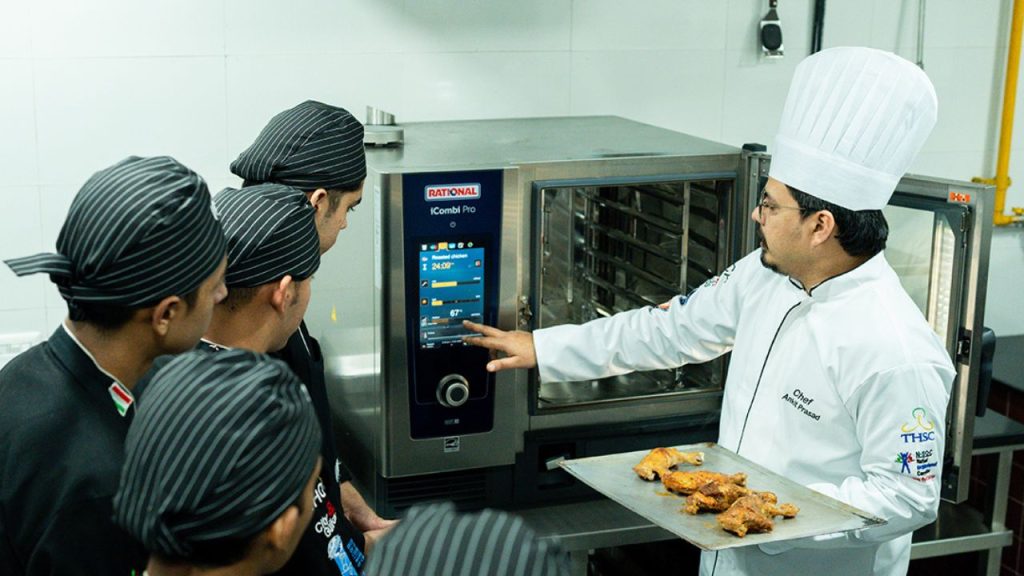
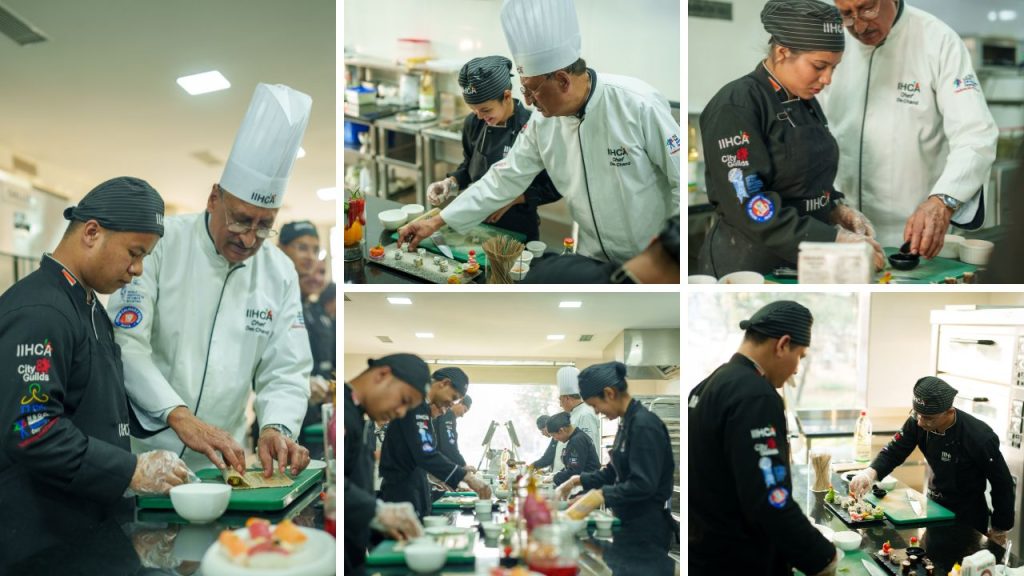
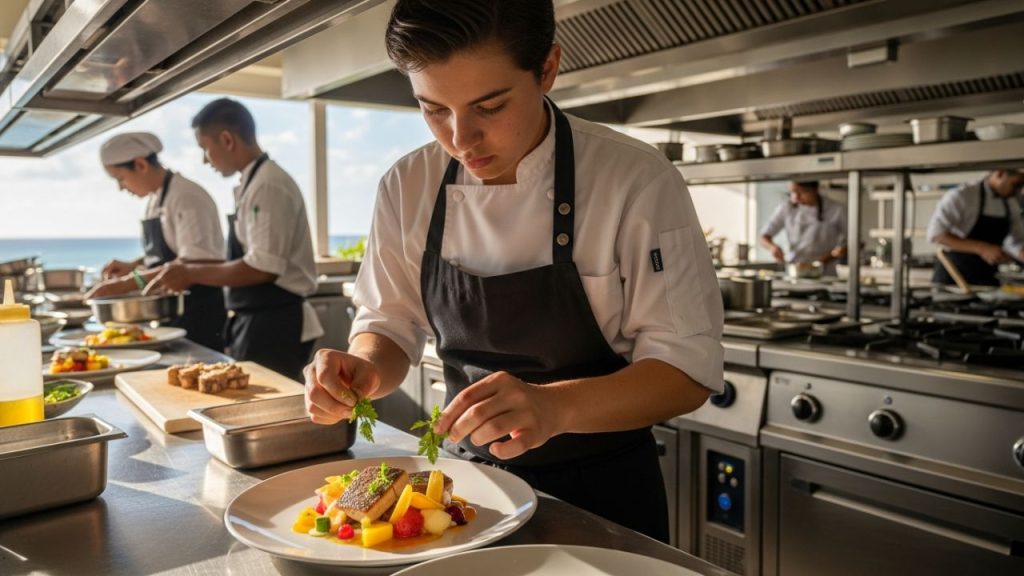
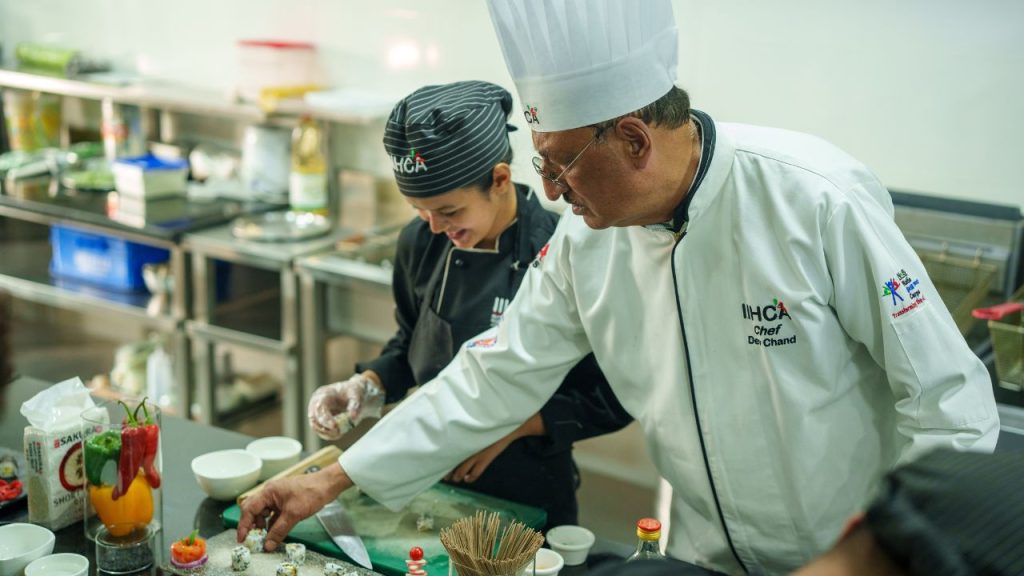
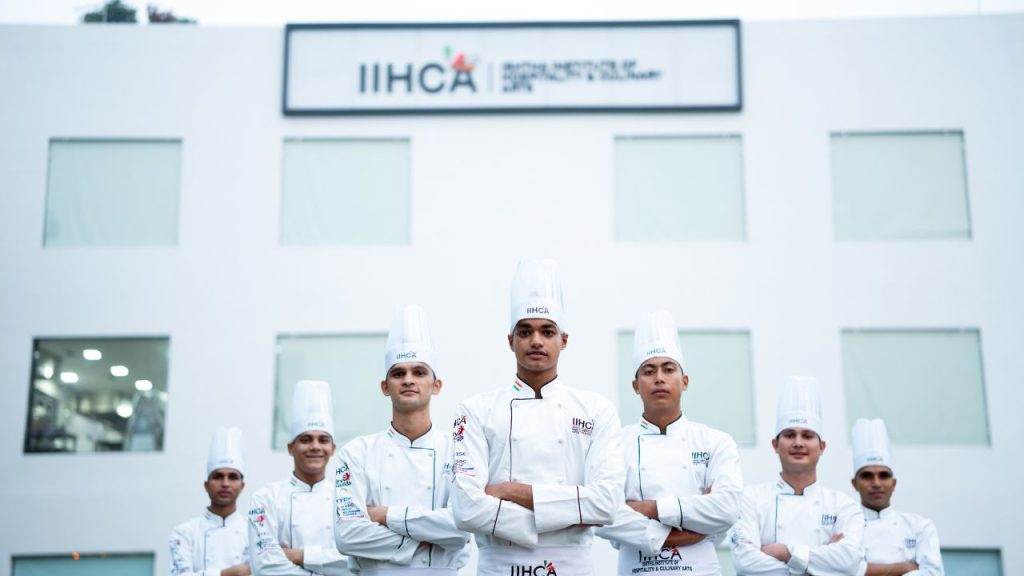
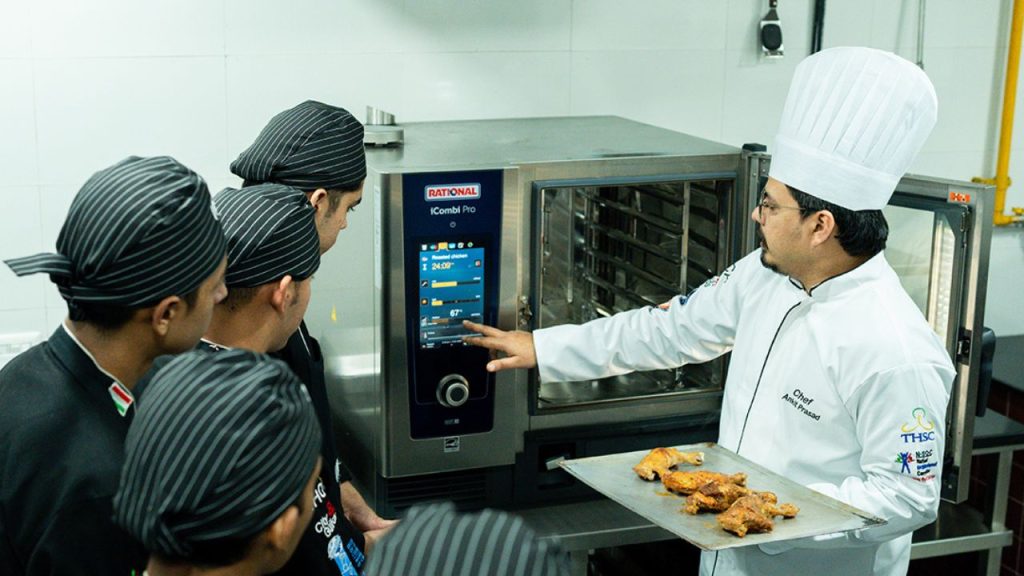
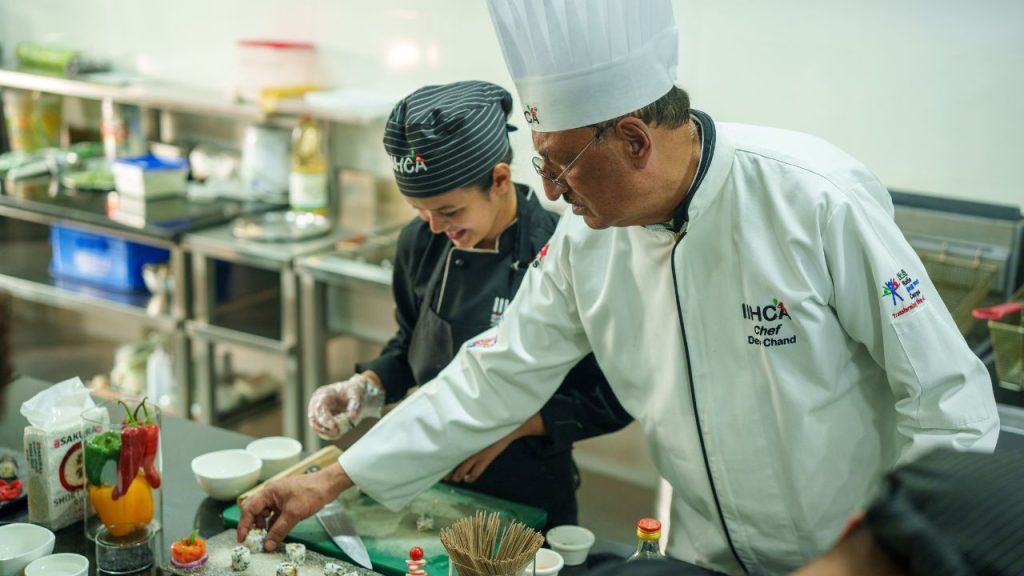
Best Chef Course After 12th in India 2026 Apply for Admissions Imagine this: You’re 19, fresh out of 12th grade in a small town like Khatima, Uttarakhand, stirring a perfect beurre blanc sauce in a gleaming cruise ship kitchen off the coast of Dubai. The aroma fills the air as passengers rave about your fusion dish, and your tax-free paycheck hits $4,000 a month—plus free travel to France and New Zealand. Sounds like a dream? It’s the reality for thousands of young Indian chefs in 2026, thanks to the exploding hospitality boom. Apply for Admissions https://youtu.be/R6khYBfxDJw India’s hospitality sector is on fire, valued at USD 27.96 billion in 2026 and projected to double by 2031 at a 14.76% CAGR, fueled by domestic travel, tier-2 city hotels, and global tourism rebounding past pre-COVID levels. With 48 million tourism jobs in 2024-25 set to hit 63 million by 2034, demand for skilled chefs is skyrocketing—especially for a chef course in India that blends hands-on skills with international credentials. No more flipping burgers at local dhabas; think 4-5 star kitchens at Taj or Royal Caribbean cruises. But where do you start after 12th? Enter IIHCA (Ishtha Institute of Hospitality and Culinary Arts) in Khatima, Uttarakhand—the best chef training institute in India for practical, globally recognized diplomas. Their 1-Year and 2-Year City & Guilds London-accredited programs boast 80% hands-on training, 8,000+ placements (3,000+ in cruises), and alumni earning big abroad. If you’re passionate about cooking from any stream—arts, commerce, science—this chef course after 12th turns hobby into high-flying career. Ready to plate up success? Let’s dive in. Why Choose a Chef Course After 12th in India in 2026? The hospitality rush means chef jobs are everywhere, from Mumbai’s fine-dining spots to luxury cruises docking in Dubai. A chef course in India post-12th equips you with skills for this goldmine: hands-on cooking, hygiene standards, and menu mastery that employers crave. Apply for Admissions Fresher salaries kick off at ₹4-8 LPA (₹15,000-₹40,000/month) in India for diploma holders in 4-5 star hotels, jumping to ₹10-20+ LPA abroad or on cruises after 2 years—tax-free $3,000-8,000/month with perks like flights and lodging. North Indian students from Uttarakhand love it: low entry barriers, quick ROI, and global mobility to Gulf, Canada, or Mauritius. Job security? Ironclad. India’s middle-class travel boom and 9.5+ million foreign tourists yearly demand 1 million+ new chefs by 2030. A diploma in culinary arts after 12th isn’t just training—it’s your ticket to stability in a ₹28,000 crore industry. Eligibility & How to Join a Chef Course After 12th Jumping into a chef course after 12th is straightforward—no NEET-level stress. Most programs, including IIHCA’s, require just 12th pass from any stream (50%+ marks preferred), age 16-17+, and passion for food. No entrance exams; merit-based on 10th/12th scores or interviews. Steps: Visit institute sites like iihca.in, fill inquiry forms, attend counseling (virtual for pan-India students), pay fees (₹1-3 lakhs total, EMIs available), and start batches rolling monthly in 2026. IIHCA in Khatima offers hostels, easing moves for Uttarakhand/North India kids. Apply for Admissions Spotlight on IIHCA – Ishtha Institute of Hospitality and Culinary Arts Nestled in Khatima, Uttarakhand, IIHCA is a THSC Center of Excellence (top 10 in India), accredited by City & Guilds London for global validity. Over 13 years, they’ve trained 8,000+ students in state-of-the-art kitchens mimicking 5-star/cruise galleys—combi-ovens, molecular tools, the works. Flagship: 1-Year Assured Diploma in Culinary Arts (basics to pro) and 2-Year Assured Diploma (International) in Culinary Arts & Science (advanced leadership). Faculty stars like Chef Dev Chand (36+ years cruises) and Chef Kuldeep Singh Bisht bring real-world fire—28+ years combined cruise/hotel exp.​ What You’ll Learn in IIHCA’s Chef Course IIHCA’s curriculum is 80% practical, building from zero to cruise-ready.​ Knife Skills & Foundations: Precision cuts, stocks, sauces—master in week one. Global Cuisines: Continental (French/Italian), Asian (Thai/Japanese), Indian fusion; 2-year adds Caribbean/Mediterranean.​ Baking & Pastry: Breads, cakes, plated desserts with chocolate work. Food Safety & HACCP: Hygiene for high-volume kitchens, must for cruises.​ Kitchen Management: Menu planning, costing, team leadership. Advanced (2-Year): Molecular gastronomy, sous-vide, wine pairing. 2,200+ practical hours ensure you’re plating Michelin-level dishes by graduation.​ Apply for Admissions Placements & Global Career Opportunities with IIHCA IIHCA’s 8,500+ placements (5,000+ in Taj/Marriott/Oberoi, 3,500+ in Royal Caribbean/Norwegian/Carnival) span Dubai, Bahrain, Qatar, Canada, NZ, France, Mauritius. 95% renewal rate beats industry 70%. Post-diploma: Internships in 4-5 stars, then abroad. Cruise pipeline via partnerships—alumni network feeds recruiters directly. Support includes resume help, interviews, visas. Salary Expectations After Chef Course in India & Abroad 2026 Freshers from a chef course in India start strong: Experience India (LPA) Cruise/Abroad (Monthly USD) Perks Fresher (0-2 yrs)  4-6 (₹20-40k/mo) $3,000-4,000 tax-free Free board/flights 2-5 Yrs 10-15 $4,500-6,000 Tips + bonuses 5+ Yrs (Sous/Head) ​ 20-30+ $6,000-8,000+ Leadership roles ​ Cruise edges out: $3k+ entry after hotel stint, tax-free in Gulf/Canada. Apply for Admissions How to Get a Chef Job on Cruise Lines After IIHCA? Cruise line chef jobs demand diploma + 2 years 4-5 star exp, HACCP, English fluency. IIHCA sequence: Graduate → Hotel internship/placement → Cruise interviews (Carnival/Royal via partners). They guide docs, grooming, trials—3,500+ alumni onboard prove it works. Start in India hotels, sail in 18-24 months.​ Apply for Admissions Student Success Stories Our alumni are our pride! Here’s what some of our students have to say: https://youtu.be/NcKYapIQALQ?si=4K_NPGUPWk1VKCjihttps://youtu.be/N0Ql2MNcpfw?si=zyz1d2i8iIe_1mrOhttps://youtu.be/93ThthyahIchttps://youtu.be/KXZY4qEJI8c?si=AgfwoTthcdwsMaxj From Uttarakhand to world cruises, a chef course in India like IIHCA’s launches legends. 80% hands-on, 8,500+ placed, global pay—don’t miss 2026 batches. Fill the enquiry form or call now—your kitchen adventure awaits!​ Make A Call Stories Admissions

Best Chef Course After 12th in India 2026 Read More »
Qualifications Needed to Become a Chef in India

Qualifications Needed to Become a Chef in India

Qualifications Needed to Become a Chef in India Apply for Admissions In India, becoming a professional chef is one of the few high-paying, creative careers where your Class 12 marksheet is basically the only academic ticket you need to enter the industry. The hospitality sector (especially 5-star hotels, luxury resorts, premium restaurants, and international cruise lines) cares far more about real kitchen skills, discipline, speed, hygiene standards, and attitude than any college degree. Apply for Admissions https://youtu.be/Ln5wFYRWS6c This detailed guide explains exactly what qualifications are actually required (and which ones are optional or even overkill) in the current Indian job market, based on what recruiters from Taj, Oberoi, Marriott, ITC, cruise lines, and boutique restaurants really look for. 1. Minimum Academic Qualification (The Only Mandatory One) Class 12th pass (10+2) from any recognized board — any stream. That’s it. Science, Commerce, Arts — none of it matters. Even open-schooling or NIOS is accepted by most reputed institutes and hotels. Why only 12th? Because the entire culinary industry in India (and most of the world) runs on practical skill demonstration during interviews and trial shifts, not on theoretical degrees. Real fact (2024–2025): Over 90% of commis chefs currently working in 5-star hotels in India joined with only 12th pass + a good diploma/certification. 2. Age Requirement (Very Flexible) Most serious culinary programs and hotels accept candidates between 17–28 years old. Many institutes (including IIHCA) are flexible up to 30–32 years for career switchers. Bottom line: If you’re serious and fit to work long kitchen hours, age is almost never a real barrier in India. Apply for Admissions 3. Language & Communication (The Hidden Requirement) You need functional spoken and written English — not fluent Shakespeare-level, but enough to: Read English recipe cards and standard operating procedures Understand chef instructions during service Communicate with international guests (especially in 5-star hotels & cruises) Tip: If your English is weak, most good institutes (including IIHCA) help improve it during the program through daily kitchen communication practice. 4. Physical & Medical Fitness You must be physically fit to stand 10–14 hours a day, work in hot environments, and lift trays/kitchen equipment. Most hotels require a basic medical fitness certificate before joining (blood test, chest X-ray, etc.). Common disqualifiers (rare but real): Serious back/knee issues Uncontrolled epilepsy Colour blindness (affects some plating roles) 5. The Most Important “Qualification” — Professional Training This is where almost every successful chef in India actually qualifies themselves. The two most respected and widely accepted training routes in 2025: A. 1-Year Diploma in Culinary Arts Fastest & most popular route for 12th-pass students Focus: Core cooking skills + high-volume production + basic kitchen management Best for: Quick entry as Commis Chef in 4-5 star hotels Apply for Admissions B. 2-Year Diploma (International) in Culinary Arts & Science Deeper training including food science, modern techniques, sustainability Includes 12-month paid international internship Best for: Faster promotions, leadership track, international careers 6. The Fastest Realistic Timeline to Become a Chef (After 12th) Goal Fastest Realistic Path Total Time Start as Commis Chef in 5-star hotel 12th + 1-Year Diploma + 6-month internship ~18 months Reach Chef de Partie level 1-Year Diploma + 2–4 years experience 3–5 years Become Sous Chef 2-Year International Diploma + 4–6 years exp. 6–8 years Executive Chef / own restaurant 2-Year + 8–12+ years experience 10–15 years   Fastest documented path (IIHCA alumni): 12th → 1-Year Diploma → Commis Chef at Taj → Chef de Partie in 3.5 years Why IIHCA is the Preferred Choice for Most Students? Since 2013, IIHCA has become one of the most trusted names in northern India for serious culinary training. What makes IIHCA different: 95% placement rate in reputed brands Training led by Chef Dev Chand (36 years experience, including 28 years on Carnival Cruise Line) Daily 8-hour live kitchen practice with unlimited ingredients Modern labs with combi ovens, blast chillers, pacojet Direct placements in Taj, Oberoi, Hyatt, Marriott, cruise lines Student Success Stories Our alumni are our pride! Here’s what some of our students have to say: https://youtu.be/NcKYapIQALQ?si=4K_NPGUPWk1VKCjihttps://youtu.be/N0Ql2MNcpfw?si=zyz1d2i8iIe_1mrOhttps://youtu.be/93ThthyahIchttps://youtu.be/KXZY4qEJI8c?si=AgfwoTthcdwsMaxj Your Chef Career Starts with One Decision The hospitality industry is waiting for motivated, trained professionals like you. You don’t need to be born in a chef family. You don’t need a fancy degree. You just need the right training and the courage to start. Thousands of students just like you have already done it with IIHCA. Now it’s your turn. Make A Call Stories Admissions

Qualifications Needed to Become a Chef in India Read More »

How to become a successful chef

How to become a successful chef?

How to become a successful chef? Apply for Admissions Becoming a successful chef requires passion, disciplined training, practical experience, and continuous growth in both technical skills and professional mindset. The journey transforms food lovers into industry leaders capable of running high-pressure kitchens while creating memorable dining experiences. Apply for Admissions Essential Skills Every Successful Chef Needs Mastery of core culinary techniques forms the foundation of chef success. Knife skills, cooking methods, flavor balancing, plating artistry, and ingredient knowledge separate professionals from hobbyists.​ Beyond technical ability, successful chefs develop: Time management for high-volume service Leadership to direct kitchen teams effectively Creativity for menu innovation and specials Business acumen for cost control and profitability Apply for Admissions Step 1: Complete Professional Culinary Training After 12th The fastest path begins immediately after 12th standard with a recognized diploma program. In India, students from any stream qualify for 1-year or 2-year culinary diplomas that teach continental cuisines, kitchen operations, and hygiene standards.​ IIHCA offers two assured diploma programs perfect for career starters: 1-Year Assured Diploma in Culinary Arts (6 months institute + 6 months abroad training) 2-Year Assured Diploma (International) in Culinary Arts & Science (1 year institute + 1 year internship) These programs provide the formal certification employers expect from entry-level candidates. Step 2: Gain Real Kitchen Experience Through Internships Classroom training alone cannot prepare you for professional kitchens. Successful chefs complete structured industrial training in hotels and restaurants, building stamina and speed.​ IIHCA guarantees international internships in destinations like Dubai, Mauritius, Bahrain, and Spain, where students work in 4-5 star properties. This abroad exposure creates immediate resume differentiation Apply for Admissions Step 3: Master the Kitchen Brigade Hierarchy Professional kitchens follow strict hierarchy. Start as Commis Chef, progress to Demi Chef de Partie, Chef de Partie, Sous Chef, then Executive Chef. Each level demands 1-3 years of proven performance.​ Key career milestones: Commis Chef (0-2 years): Learn stations, speed, consistency Chef de Partie (2-5 years): Run complete sections independently Sous Chef (5-8 years): Manage teams, quality control Executive Chef (8+ years): Full kitchen leadership, P&L responsibility​ Step 4: Build International Experience and Credentials Global exposure separates top chefs from local talent. After initial hotel experience, target cruise lines, UAE hotels, resorts, or European kitchens. IIHCA alumni leverage their abroad internships toward cruise ship roles after 2 years of 4-5 star hotel work. Additional certifications boost credibility: Food Safety Level 2/3 HACCP certification STCW Basic Safety (for cruises) Apply for Admissions Step 5: Specialize to Stand Out Successful chefs develop expertise in high-demand niches: Specialization Career Opportunities Training Path Continental Cuisine 5-star hotels, cruises IIHCA diplomas Pastry & Bakery Luxury hotels, patisseries Advanced diploma Butchery Cruise galleys, steakhouses Specialization courses Fusion/Modern Fine dining, resorts International internships ​ Daily Habits of Highly Successful Chefs Top chefs maintain routines that sustain excellence: Taste everything before service (develop palate) Document recipes and techniques systematically Stay physically fit for 12-hour shifts Read industry news, attend food festivals Mentor juniors, build kitchen culture​   Apply for Admissions Why IIHCA Creates Successful Chefs? IIHCA’s structured pathway delivers measurable results: 8,500+ alumni working abroad, 3,500+ on luxury cruise lines. Their programs guarantee: Training by internationally experienced chefs Assured abroad industrial training Placement support in 4-5 star properties Clear progression to cruise and international careers   Apply for Admissions Common Mistakes to Avoid Skipping formal training (employers prefer certified candidates)​ Job hopping (stay 1-2 years minimum per role)​ Neglecting soft skills (leadership matters as much as cooking)​ Ignoring hygiene documentation (mandatory for abroad work) Apply for Admissions Student Success Stories Our alumni are our pride! Here’s what some of our students have to say: https://youtu.be/NcKYapIQALQ?si=4K_NPGUPWk1VKCjihttps://youtu.be/N0Ql2MNcpfw?si=zyz1d2i8iIe_1mrOhttps://youtu.be/93ThthyahIchttps://youtu.be/KXZY4qEJI8c?si=AgfwoTthcdwsMaxj Start Your Chef Career Today Passion alone doesn’t create success—structured training does. Post-12th students should immediately enroll in a 1-2 year culinary diploma with abroad training guarantee. IIHCA’s assured programs provide the fastest path from beginner to professional working in Dubai hotels or cruise ship galleys. Next Steps: Contact IIHCA for 2026 batches. Your Executive Chef title awaits after 8-10 years of deliberate practice and progression. The kitchen hierarchy rewards those who commit fully. Make A Call Stories Admissions

How to become a successful chef? Read More »

Cruise Ship Chef Internship

Cruise Ship Chef Internships

Cruise Ship Chef Internships Apply for Admissions Cruise ship chef internships are structured, entry-level training roles onboard passenger vessels where young culinary professionals work under senior chefs while they learn the standards of cruise line food production. Interns typically support prep work, cooking, and plating in different sections such as hot kitchen, cold kitchen, bakery, or buffet production. These positions function like paid “on-the-job training,” allowing candidates to build real experience that is recognized across the global hospitality and cruise industries. https://youtu.be/8XF1tai3blg Apply for Admissions Why Cruise Ship Chef Internships Are So Popular Cruise ship kitchens are known for high volume, strict standards, and diverse menus, which makes them ideal learning environments. Interns gain exposure to international cuisines and service styles while working with passengers and crew from many different countries. They also benefit from additional perks such as free accommodation, meals, and the chance to visit multiple countries during a single contract. Skills You Gain as a Cruise Ship Chef Intern Working as a cruise ship chef intern rapidly builds both technical and soft skills that are difficult to develop in smaller kitchens. On the technical side, interns learn large-scale production, strict hygiene protocols, portion control, and consistency across thousands of plates per day. On the personal side, they develop discipline, teamwork, communication in multicultural environments, and the ability to perform under time pressure. Apply for Admissions Typical Eligibility and Background Requirements Although exact criteria vary by cruise company, most internship-type roles are designed for candidates who already have a basic culinary foundation. Many cruise lines prefer applicants with a culinary diploma or professional certificate plus some hotel or restaurant experience. Good health, medical clearance, basic safety training, and the ability to communicate in English are also common non-negotiable requirements. Common Entry-Level Positions That Work Like Internships In practice, cruise ship chef “internships” are often offered under titles that reflect junior roles in the galley hierarchy. Positions such as trainee cook, commis chef, or junior cook typically perform the same function as internships, providing structured learning and mentoring on board. After one or two successful contracts in these roles, many candidates move up to more senior positions with higher responsibility and pay. Apply for Admissions Advantages of Starting Your Career at Sea Beginning a culinary career with a cruise ship internship gives you a head start compared with many land-based paths. The combination of high-volume experience, international exposure, and strict standards builds a résumé that is attractive to five-star hotels and resorts worldwide. Many chefs later leverage cruise experience to secure positions in major hospitality hubs or to transition into luxury hotels, resorts, and even fine-dining restaurants ashore. Challenges You Should Be Prepared For While cruise ship internships are full of benefits, they also come with challenges that require mental and physical readiness. Long working hours, limited days off during contracts, and living in shared crew accommodations demand stamina and adaptability. Being away from home for several months at a time can be emotionally difficult, so candidates need strong motivation and clear career goals. How to Prepare Yourself for a Cruise Ship Chef Internship? Preparation begins long before you ever board a ship, and planning carefully can greatly increase your chances of selection. Completing a recognized culinary diploma or professional course gives you formal training in kitchen basics, continental cuisine, and hygiene standards. Gaining one or two years of experience in a hotel or large restaurant environment helps you prove that you can handle professional kitchen routines. Apply for Admissions Long-Term Career Growth After Internships Cruise ship chef internships are often just the first step in a much larger international career. After completing one or more contracts, you can progress through ranks, moving from trainee roles into commis, chef de partie, sous chef, and eventually senior management positions. Many professionals later transition to land, using their cruise experience to secure higher-level positions in hotels, cruise recruitment offices, or hospitality training institutes. Student Success Stories Our alumni are our pride! Here’s what some of our students have to say: https://youtu.be/NcKYapIQALQ?si=4K_NPGUPWk1VKCjihttps://youtu.be/N0Ql2MNcpfw?si=zyz1d2i8iIe_1mrOhttps://youtu.be/93ThthyahIchttps://youtu.be/KXZY4qEJI8c?si=AgfwoTthcdwsMaxj Is a Cruise Ship Chef Internship Right for You? This path is ideal for those who are passionate about cooking, eager to travel, and ready for demanding work environments. If you enjoy working in a structured, high-energy kitchen and want to build a truly global culinary career, a cruise ship internship can be a powerful launchpad. With the right combination of training, experience, and determination, an internship at sea can evolve into a long-term, rewarding profession in international hospitality. Make A Call Stories Admissions

Cruise Ship Chef Internships Read More »

how to learn barista skills and coffee art

How to Learn Barista Skills and Coffee Art?

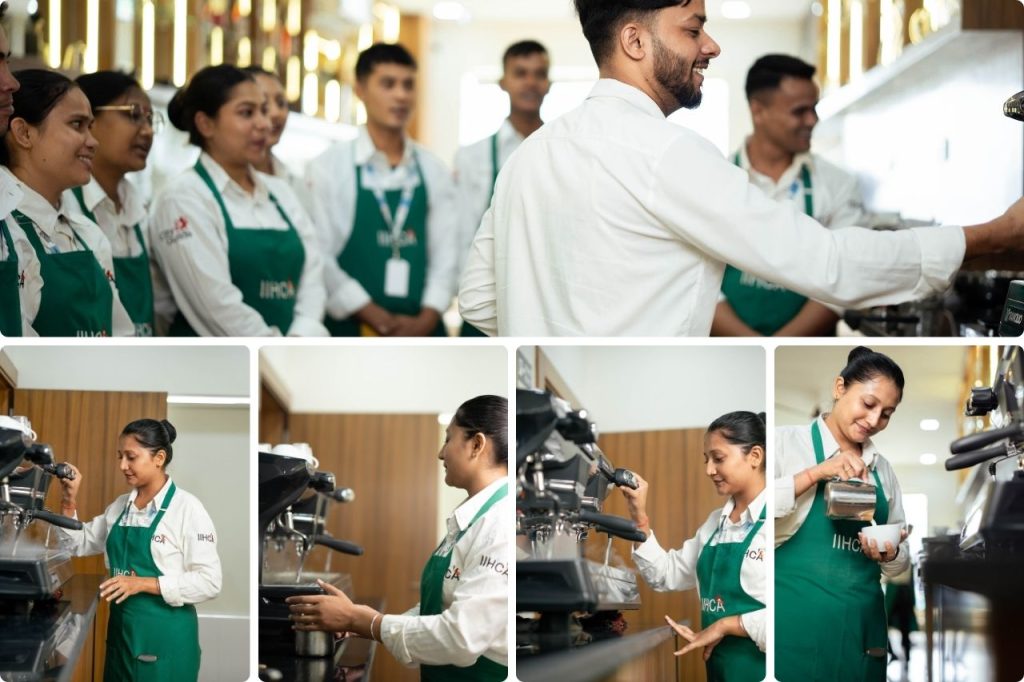
How to Learn Barista Skills and Coffee Art? Apply for Admissions Learning barista skills and coffee art is one of the fastest ways to enter the global café industry and start working in popular destinations like Dubai, Bahrain, and Saudi Arabia. With the right training, even a 12th-pass student can become a professional barista in just a few months and turn a love for coffee into a serious career. Apply for Admissions What Are Barista Skills and Coffee Art? A barista is a trained coffee professional who prepares espresso-based drinks, operates coffee equipment, and engages with customers in cafés, coffee shops, hotels, and restaurants. Coffee art (or latte art) is the creative skill of pouring steamed milk over espresso to create designs like hearts, tulips, and rosettas on the surface of the coffee. Together, barista skills and coffee art cover: Espresso preparation and extraction Milk steaming and texturing Latte art patterns and pouring techniques Grinder adjustment and recipe consistency Customer interaction and café workflow Why Learn Barista Skills? The café culture in India and the Middle East is growing rapidly, and international coffee brands, specialty cafés, and hotel lounges are opening in every major city. This growth has created strong demand for trained baristas who understand both the technical and creative side of coffee. Key reasons to learn barista skills now: High demand for baristas in Dubai, Bahrain, Saudi Arabia, and other Gulf countries.​ Quick entry into the hospitality industry with short, skill-based certification.​ Opportunities to grow into café supervisor, head barista, trainer, or even café owner. Step-by-Step: How to Learn Barista Skills and Coffee Art Learning barista skills becomes easier and faster when you follow a structured path instead of random online videos or trial-and-error practice.​ Apply for Admissions 1. Understand Coffee Basics Before touching the espresso machine, it is important to understand what you are working with.​ You should learn: Coffee bean types: Arabica vs Robusta and how they affect taste.​ Origin and processing: How growing region and roasting change flavor.​ Grind size and freshness: Why freshly ground coffee is essential for good extraction.​ This foundation helps you make better decisions when brewing and adjusting recipes. 2. Learn Espresso Extraction Espresso is the base of most café drinks like cappuccino, latte, mocha, and flat white. To become a professional barista, you must know how to pull a perfect shot.​ Core espresso skills include: Dosing and grinding coffee correctly.​ Distributing and tamping evenly to avoid channeling.​ Adjusting brew time, pressure, and temperature for balanced flavor.​ A good barista course will train you to recognize under-extracted (sour) and over-extracted (bitter) espresso and how to fix them.​ 3. Master Milk Steaming and Texturing Almost every café menu is full of milk-based beverages, so mastering milk steaming is just as important as pulling espresso.​ You need to learn: How to position the steam wand for proper aeration (creating microfoam).​ Ideal milk temperature and texture for cappuccino, latte, and flat white.​ Working with dairy and plant-based milk options.​ Well-textured milk is the base for beautiful latte art and smooth, creamy coffee.​​ Apply for Admissions 4. Start Practicing Coffee Art (Latte Art) Coffee art is what makes your cup visually attractive and shows your control over milk and espresso.​​ Begin with simple designs: Heart Tulip Rosetta Then progress to more detailed patterns once you’re confident. With regular practice and correct technique, even beginners can start creating café-quality latte art in a few weeks.​​ Apply for Admissions 5. Learn Different Types of Coffee Drinks Professional baristas must know the full menu and be able to prepare each drink correctly and consistently.​ This includes: Espresso, doppio, ristretto Cappuccino, café latte, flat white, piccolo Americano, long black, mocha Cold coffee, iced latte, frappé and other café-style beverages​ A structured course like IIHCA’s Certification in Barista covers all common café beverages and teaches you how to adjust them for guest preferences.​ 6. Practice Café Workflow and Customer Service Technical skills alone are not enough; employers also look for speed, cleanliness, and guest handling.​ Important soft skills include: Working clean and organized at the coffee station.​ Taking orders, serving with a smile, and managing busy rush hours.​ Basic POS usage, teamwork with kitchen and service staff.​ A good training institute simulates real café environments so you are ready from day one on the job.​ Learn Barista Skills with IIHCA’s Certification in Barista Ishtha Institute of Hospitality & Culinary Arts (IIHCA) offers a dedicated Certification in Barista program that is designed for beginners who want to become professional baristas in a short time.​ Key details: Duration: 3 Months intensive, practical-focused training.​ Eligibility: 12th passouts can join; no prior experience required.​ Goal: Become a job-ready barista fit for Indian and international cafés within three months.​ The course combines classroom learning with hands-on practice on professional espresso machines and café setups, making it one of the best professional coffee making courses in India. Apply for Admissions Start Your Barista Career in Dubai, Bahrain, Saudi Arabia and More One of the biggest advantages of learning with IIHCA is the focus on international career opportunities. The Certification in Barista course is aligned with the skills needed by cafés and coffee chains in Gulf countries.​ Countries where trained baristas are in high demand include: Dubai (UAE): Specialty cafés and global brands constantly hire skilled baristas.​ Bahrain: Growing café culture and premium hotel coffee bars create many openings.​ Saudi Arabia: A booming coffee market with strong hiring in cities like Riyadh and Jeddah.​ With the right skills, portfolio, and institute backing, baristas can secure jobs with competitive salaries and growth potential in these regions.​ IIHCA supports international placements through its hospitality network and experience in sending students abroad for roles in hotels, cafés, and resorts. The institute’s larger ecosystem has already helped 8,000+ students work abroad in various hospitality roles, which strengthens credibility in the global market.​ Apply for Admissions Why IIHCA for Coffee Making and Barista Training? IIHCA has built a strong reputation in culinary and barista education, making it a leading destination for students who want serious careers in coffee.​ What sets IIHCA apart: Specialized Certification in Barista with a 3-month intensive format.​ Focus on both coffee

How to Learn Barista Skills and Coffee Art? Read More »

Internship in Culinary Arts Program Abroad

Internship in Culinary Arts Program Abroad

Internship in Culinary Arts Program Abroad Apply for Admissions An international culinary internship is a structured, time-bound training program where culinary students or recent graduates work in professional kitchens abroad under the supervision of experienced chefs.​ It bridges the gap between classroom learning and real hotel or restaurant kitchens.​ Interns typically work in areas like hot kitchen, cold kitchen, garde manger, bakery, and banquet production while learning global standards of hygiene, speed, and consistency. https://youtu.be/W998_ryzz-8 Apply for Admissions Why Do a Culinary Internship Abroad? Doing an internship abroad accelerates both skill growth and international career opportunities.​ You gain exposure to different cuisines, work cultures, and professional standards in countries like UAE, Bahrain, Maldives, Mauritius, Malaysia, New Zealand, Spain, and France.​ This global experience makes your résumé more attractive for jobs abroad and in India’s top hotel chains and even cruise lines. Best Destinations for Culinary Internships Abroad Different countries offer different styles of cuisine, pay scales, and work environments, but all help you build an international profile.​ Gulf countries (Dubai, Bahrain, Qatar, Oman, Kuwait, Saudi Arabia): Known for high-end hotels, tax-free salaries, and strong demand for trained chefs from India.​ Mauritius & Maldives: Island destinations with luxury resorts and buffet-heavy operations—ideal for learning large-scale production and international guest service.​ Malaysia & New Zealand: Great for learning fusion cuisine, farm-to-table concepts, and sustainable cooking, with structured internships and clear earning potential.​ Spain & France: Dream destinations for serious culinary students, especially for European techniques, bakery, and fine dining.​ How Culinary Internship Programs Abroad Work? Most international internship pathways follow a similar structure, especially when linked with a professional culinary diploma. Apply for Admissions Students complete a foundation diploma in culinary arts in India where they learn basics of continental cooking, food safety, and kitchen operations.​ They then move into 6–12 month internships abroad in partner hotels and resorts, working full-time under supervision while gaining real experience. Role of IIHCA in Internships Abroad The Ishtha Institute of Hospitality & Culinary Arts (IIHCA) has built a strong ecosystem specifically focused on culinary internships and work opportunities abroad.​ IIHCA’s work-abroad and internship programs connect students to reputed properties in UAE, Bahrain, Maldives, Mauritius, Malaysia, New Zealand, Spain, and France after structured training.​ The institute backs this with a large alumni base of 8,000+ students, including thousands in 5-star hotels and cruise lines, which strengthens networking and placement outcomes.​ Skills You Develop in Internships Abroad Internship in culinary arts programs abroad builds both technical and soft skills that employers look for.​ Practical cooking skills in continental and international cuisines, volume cooking, and buffet preparation.​ Professionalism, communication, time management, and the ability to work in multicultural teams and high-pressure environments.​ Apply for Admissions Career Path After an International Culinary Internship Once you complete a culinary internship abroad, your career options expand significantly across India and overseas.​ You can move into roles like commis chef, demi chef, or chef de partie in international hotels, then progress to senior roles with experience.​ With a solid foundation plus 2–3 years of experience, you can pursue long-term jobs abroad or step into high-paying cruise line chef positions. Student Success Stories Our alumni are our pride! Here’s what some of our students have to say: https://youtu.be/NcKYapIQALQ?si=4K_NPGUPWk1VKCjihttps://youtu.be/N0Ql2MNcpfw?si=zyz1d2i8iIe_1mrOhttps://youtu.be/93ThthyahIchttps://youtu.be/KXZY4qEJI8c?si=AgfwoTthcdwsMaxj Apply for Admissions How to Get Started To join internship in culinary arts programs abroad, the most effective route is: complete a recognized culinary diploma, train in strong fundamentals, and then use the institute’s global internship network.​ For Indian students, enrolling in a diploma with assured internship pathways—like the programs highlighted by IIHCA for UAE, Mauritius, New Zealand, Spain, and France—creates a clear, structured road to becoming a global chef. Make A Call Stories Admissions

Internship in Culinary Arts Program Abroad Read More »

Culinary Internship in Mauritius

Mauritius Culinary Internship Program

Mauritius Culinary Internship Program Apply for Admissions The Mauritius Culinary Internship Program by Ishtha Institute of Hospitality & Culinary Arts (IIHCA) is a premium international training opportunity designed for students who want to start a global culinary career. This program connects classroom learning in India with real-time experience in top hospitality properties in Mauritius, giving students a strong stepping stone toward international chef careers. Apply for Admissions https://youtu.be/TImngEN1Zas IIHCA offers this internship opportunity exclusively to students enrolled in its 1 Year Assured Diploma in Culinary Arts and 2 Years Assured Diploma (International) in Culinary Arts and Science. The 2-year diploma program is especially recommended for students who want to unlock the best internship options and long-term growth in Mauritius. Why Choose Mauritius for a Culinary Internship? Mauritius is a beautiful island nation known for its luxury resorts, crystal-clear beaches, and vibrant tourism and hospitality sector. For culinary students, it offers the perfect combination of learning, lifestyle, and career opportunities. The country’s food culture is a rich blend of Indian, French, Creole, African, and Chinese influences. This makes Mauritius an excellent training ground for students who want to master multicultural and fusion cuisines while working in professionally managed, international-standard kitchens. Internship Pathway Through IIHCA Diploma Programs IIHCA has structured its diploma programs so that students move smoothly from classroom learning in India to professional internships in Mauritius. Both the 1-year and 2-year diploma programs are designed with clear pathways to international training. Apply for Admissions However, the 2 Years Assured Diploma (International) in Culinary Arts and Science is strongly recommended for students targeting the best internship roles in Mauritius. With more academic depth, advanced culinary exposure, and longer training duration, 2-year students are better prepared for high-quality placements. 1 Year Assured Diploma in Culinary Arts and Mauritius Internship The 1 Year Assured Diploma in Culinary Arts is ideal for students who want to quickly enter the culinary industry with strong practical skills and international exposure. Eligibility: 12th pass (any stream) Structure: 6 months at IIHCA campus (classroom + practical kitchen training) 6 months industrial training / internship Focus: Basic to advanced continental culinary skills, kitchen operations, hygiene, and professional standards Students from this program can be offered culinary internship opportunities in destinations like Mauritius, based on their performance, skills, and overall readiness. 2 Years Assured Diploma (International) in Culinary Arts and Science The 2 Years Assured Diploma (International) in Culinary Arts and Science is the recommended route for students who want to maximize their chances of being placed in the best properties in Mauritius. Eligibility: 12th pass (any stream) Structure: 1 year of intensive institute-based training at IIHCA 1 year of structured industrial training / internship abroad Apply for Admissions Focus Areas: Advanced continental culinary arts Culinary science and food production Food safety, nutrition, and quality standards Professional kitchen management and international hospitality practices Because of their deeper training and one full year of academic preparation, students from the 2-year diploma are often preferred for better internship opportunities in Mauritius, especially in leading hotels and resorts. Apply for Admissions Why the 2-Year Diploma Is Recommended for Mauritius? While both programs can lead to internships abroad, IIHCA specifically recommends the 2 Years Assured Diploma (International) in Culinary Arts and Science for students who are serious about building a strong profile for Mauritius. Key reasons include: Longer academic training results in stronger culinary foundations and confidence. Students gain more time to practice, participate in live kitchen setups, and build discipline. Better technical skills and maturity help them handle high-pressure, fast-paced hotel kitchens in Mauritius. Employers often prefer candidates with more extensive training and deeper knowledge of culinary science and operations. For students aiming at premium properties and long-term global careers, the 2-year international diploma is a strategic choice. What You Learn Before Going to Mauritius? Before starting the internship in Mauritius, students complete a structured on-campus learning phase at IIHCA. This ensures that they reach their training destination with the necessary professional skills and mindset. Apply for Admissions Core learning areas include: Knife skills and basic cuts Continental cuisine foundation (soups, sauces, main courses, starters) Baking and basic desserts (depending on program content) Hygiene, sanitation, and food safety practices Kitchen hierarchy, communication, and teamwork Plating and presentation basics Time management and working under supervision This foundation enables students to adapt quickly when they enter real kitchens abroad. What to Expect During the Mauritius Culinary Internship? During the Mauritius Culinary Internship, students experience life as a junior chef in professional kitchens. They work under the supervision of experienced chefs and kitchen managers, applying what they learned at IIHCA in a real-world environment. Typical responsibilities may include: Assisting in food preparation for buffet, à la carte, and events Helping in the continental, hot kitchen, cold kitchen, or garde manger Maintaining hygiene and cleaning standards in food production areas Supporting chefs in plating and garnishing dishes Learning new recipes and techniques specific to Mauritian and international guests This hands-on experience helps students develop practical confidence, speed, accuracy, and consistency—skills that every successful chef must master. Apply for Admissions Benefits of the Mauritius Culinary Internship Program The Mauritius Culinary Internship Program gives students much more than just a certificate. It builds a strong personal, professional, and global profile. Key benefits include: International Exposure: Students work in a foreign country with multicultural teams and guests. Professional Grooming: They learn global hospitality etiquette, communication, and work culture. Skill Enhancement: Daily practice in high-standard kitchens sharpens technical and creative skills. Stronger Resume: An international internship makes their CV stand out to hotels, restaurants, and cruise lines. Pathway to Overseas Jobs: Experience in Mauritius can help open doors to long-term job roles in other countries in the future. For many students, this is the first step from being a student chef to becoming a globally employable culinary professional. Apply for Admissions Who Can Join the Mauritius Culinary Internship Program? The Mauritius Culinary Internship Program is not a standalone course. It is offered as part of the diploma journey, only to students of IIHCA. You are eligible to be considered for the Mauritius internship if you: Have enrolled in 1 Year Assured Diploma in Culinary Arts or Have enrolled in 2 Years Assured Diploma

Mauritius Culinary Internship Program Read More »

How to Start a Career in Culinary Arts in India

How to Start a Career in Culinary Arts in India?

How to Start a Career in Culinary Arts in India? Apply for Admissions The world of culinary arts is full of flavour, creativity, and endless opportunities. For food lovers who dream of working in five-star hotels, luxury resorts, or even cruise lines abroad, starting a career in culinary arts can open the door to a rewarding global career. In India, the demand for skilled chefs is growing rapidly thanks to the booming hospitality and food service industry. If you’re passionate about cooking and want to transform your love for food into a successful career, this guide from Ishtha Institute of Hospitality & Culinary Arts (IIHCA) will help you understand exactly how to begin. https://youtu.be/xtkBlOAEjDY Apply for Admissions What Is Culinary Arts? Culinary arts is the art and science of food preparation, cooking, presentation, and kitchen management. It goes beyond just cooking meals—it involves creativity, precision, and knowledge of international cuisines and culinary techniques. A career in culinary arts can lead you into various exciting fields such as: Professional chef in hotels or restaurants Pastry or bakery specialist Cruise line chef Catering entrepreneur Food stylist or recipe developer Culinary trainer or consultant At its core, culinary arts combines passion, skill, and discipline. With proper training and real-world experience, anyone enthusiastic about food can turn this into a lifelong career. The Growing Scope of Culinary Arts in India India’s hospitality industry is expanding faster than ever before. Global tourism, international restaurant chains, luxury hotels, and the growing trend of gastronomy are creating huge job opportunities for trained chefs. Apply for Admissions Here’s why culinary arts is one of the most promising career paths in India today: Booming hotel industry: India has seen exponential growth in luxury hotels, resorts, and restaurants. Rising demand for international chefs: As Indian guests become more experimental, hotels are hiring chefs trained in continental and world cuisines. Global job placements: Students trained in professional culinary institutes like IIHCA can work in countries such as the USA, New Zealand, Spain, Dubai, Bahrain, Qatar, Oman, and more. Cruise line careers: With just 2 years of experience, chefs can qualify for luxurious international cruise line jobs, combining travel and culinary creativity. How to Start a Career in Culinary Arts After 12th? If you’ve just completed your 12th, you’re at the perfect stage to step into the culinary world. IIHCA offers professional diploma programs that help you master the art of cooking—from basic to advanced continental skills—and prepare you for a global career. Here’s how you can begin your journey: Step 1: Complete your 12th (any stream)You can pursue culinary arts after finishing 12th from any stream—Science, Commerce, or Arts. Passion for cooking and learning is what matters most. Step 2: Choose the right culinary programSelecting the right institute and course is crucial. At IIHCA, we provide two industry-recognized diploma programs that combine hands-on training with international exposure. Step 3: Develop your skills through practical learningCulinary arts is a skill-based field. IIHCA emphasizes kitchen practice, real restaurant simulations, and industry-standard training to make you job-ready. Step 4: Gain international exposure through internshipsBoth of IIHCA’s programs include industrial training in international hotels abroad, which gives students global culinary experience and real-world confidence. Step 5: Build professional experience and growAfter training and job placements, continue refining your skills. With experience, you can work your way to becoming an executive chef, cruise line chef, or start your own business. Apply for Admissions IIHCA’s Professional Culinary Arts Diploma Programs 1-Year Assured Diploma in Culinary Arts This program is perfect for students who want to quickly enter the culinary profession with practical and international training. It includes: Duration: 1 Year (6 Months Institute + 6 Months Industrial Training Abroad) Curriculum: From basic to advanced continental culinary skills International exposure with internship opportunities abroad Designed to meet current industry standards Taught by internationally experienced chefs By the end of this program, students gain complete confidence in kitchen operations, continental cuisine, and global hospitality standards. Apply for Admissions 2-Year Assured Diploma (International) in Culinary Arts & Science For those who want to gain a deeper and more extensive foundation, the 2-Year Diploma offers advanced theoretical and practical knowledge combined with global industry exposure. Duration: 2 Years (1 Year Institute + 1 Year Industrial Training Abroad) Focus: Culinary arts and food science fundamentals, hygiene management, kitchen organization, and advanced continental cuisine. Global internship placements in countries like Dubai, Bahrain, Qatar, Oman, Saudi Arabia, Kuwait, New Zealand, Spain, France, and the USA. Pathway to cruise line careers after 2 years of professional experience in 4- or 5-star hotels. Both programs ensure guaranteed training opportunities abroad, making graduates globally employable. Apply for Admissions Why Choose IIHCA for Culinary Education? At Ishtha Institute of Hospitality & Culinary Arts (IIHCA), we’re not just an institute—we’re a launchpad for future chefs. With a blend of world-class training, international exposure, and an experienced faculty, IIHCA has established itself as one of the leading culinary institutions in India. Here’s what makes IIHCA stand out: Global Training OpportunitiesStudents receive international industrial training at reputed hotels and restaurants abroad, ensuring they learn global culinary practices. Learn from Internationally Experienced ChefsOur trainers have years of experience working in five-star hotels and global kitchens, bringing real-world expertise to every session. Assured Internships and PlacementsWith more than 8,000+ students working across countries and 3,000+ placed in luxury cruise lines, IIHCA’s placement record speaks for itself. Industry-Oriented CurriculumThe syllabus is designed with inputs from top hospitality professionals, ensuring that students learn skills that the global industry demands. Skill & Confidence BuildingFrom basic knife skills to advanced plating techniques, students develop hands-on expertise and confidence through live kitchen sessions. Career Support and Global NetworkIIHCA supports students even after graduation through expert guidance, global alumni connections, and industry tie-ups. Apply for Admissions Career Opportunities After Culinary Arts Diploma After completing a diploma course at IIHCA, students can explore multiple career paths both in India and abroad. Apply for Admissions Career options include: Commis Chef: Entry-level role assisting senior chefs in kitchen operations. Continental Chef: Specialize in international cuisines like Italian, French, or Mediterranean food. Sous Chef or Head Chef: Operate kitchen sections and manage culinary teams after gaining experience. Pastry and Bakery

How to Start a Career in Culinary Arts in India? Read More »

Is Becoming a Chef a Good Career Choice?

Is Becoming a Chef a Good Career Choice?

Is Becoming a Chef a Good Career Choice? Apply for Admissions Hey there, aspiring food enthusiast! If you’re fresh out of 12th grade or wrapping up your graduation and find yourself daydreaming about turning your love for cooking into a full-fledged career, you’re not alone. The question on many students’ minds today is: is becoming a chef a good career choice? In a world where traditional jobs like engineering or medicine often take center stage, the culinary arts might seem like a bold detour. But trust me, it’s a path brimming with flavor, creativity, and real-world rewards. Apply for Admissions https://youtu.be/VJxIm0MKMok In this article, we’ll dive deep into what makes a career in the kitchen so appealing. We’ll explore the benefits, scope, opportunities, and why culinary arts could be your perfect fit. Whether you’re passionate about experimenting with spices in your home kitchen or envision yourself plating up gourmet dishes in a bustling restaurant, let’s unpack if this is the right move for you. And if you’re in India, we’ll spotlight how institutions like the Ishtha Institute of Hospitality & Culinary Arts (IIHCA) can kickstart your journey with practical training and global exposure. The Allure of the Culinary World: Why Choose Culinary Arts? Let’s start with the basics—why choose culinary arts? For many students, the decision boils down to passion. If you’ve ever felt a rush while chopping veggies or baking a cake that turns out just right, that’s your inner chef calling. But beyond the joy of creation, culinary arts offer a blend of artistry, science, and business savvy that’s hard to find elsewhere. Culinary careers aren’t just about cooking; they’re about storytelling through food. You get to innovate, preserve traditions, and even influence health and culture. In India, where food is deeply tied to heritage—from street-side chaat to royal thalis—the culinary scene is evolving rapidly. With the rise of fusion cuisines, sustainable eating, and food tourism, there’s never been a better time to jump in. What sets culinary arts apart from other fields? It’s hands-on from day one. Unlike desk-bound jobs, you’ll be on your feet, tasting, testing, and collaborating. Plus, it’s a career that travels well. Chefs are in demand worldwide, from luxury hotels in Dubai to cruise ships sailing the Mediterranean. If you’re a student pondering your next step, think about this: culinary arts allow you to blend creativity with practicality, turning everyday meals into memorable experiences. Apply for Admissions Benefits of Becoming a Chef: More Than Just a Paycheck Now, let’s talk perks. The benefits of becoming a chef go way beyond wearing a tall hat and shouting “Yes, Chef!” in a kitchen. Sure, it’s demanding—long hours, high pressure—but the rewards are immense. First off, job satisfaction is sky-high. A survey by the National Restaurant Association shows that over 70% of chefs report loving their work because it’s dynamic and creative. No two days are the same; one shift you’re prepping for a wedding banquet, the next you’re innovating a vegan menu. This variety keeps things exciting, especially for young minds tired of rote learning. Financially, it’s promising too. Entry-level salaries in India start around ₹20,000–₹30,000 per month, but with experience, you can climb to ₹50,000+ in mid-level roles. Abroad, it’s even better—think $50,000–$80,000 annually in places like the US or Australia. And don’t forget perks like free meals, travel opportunities, and networking with celebrities or influencers. Health and wellness benefits? Absolutely. Chefs often focus on nutrition, learning about balanced diets and superfoods. You’ll gain skills in food safety, allergy management, and sustainable sourcing, which are transferable to personal life or even entrepreneurship. Many chefs open their own cafes or food trucks, turning passion into profit. On a personal level, it’s empowering. As a chef, you build resilience under pressure, hone leadership skills managing teams, and develop a global palate. For students after 12th or graduation, this career offers quick entry—many programs are short and skill-based, unlike lengthy degrees. Plus, it’s inclusive; no need for top grades, just enthusiasm and practice. Apply for Admissions Chef Career Scope: From Local Kitchens to Global Stages Curious about the chef career scope? It’s vast and versatile. In India alone, the hospitality industry is booming, projected to grow at 10% annually till 2028, according to the Indian Brand Equity Foundation. That means jobs aplenty in hotels, restaurants, catering, and even airlines. Start as a commis chef, learning basics like knife skills and sauces. Progress to sous chef, handling operations, then executive chef, where you design menus and lead teams. Specializations abound: pastry chef for sweet treats, saucier for sauces, or even molecular gastronomist for cutting-edge techniques. Beyond traditional roles, there’s scope in food media—think hosting cooking shows or writing cookbooks. Or dive into research, developing products for food companies. With sustainability on the rise, eco-chefs focusing on zero-waste kitchens are hot commodities. For Indian students, the scope extends internationally. Countries like Canada, the UK, and Singapore have visa programs for skilled chefs. Imagine working at Michelin-starred spots or on luxury yachts. The career ladder is steep but rewarding, with opportunities to certify in areas like vegan cuisine or wine pairing, boosting your marketability. Culinary Career Opportunities: Endless Paths to Explore When it comes to culinary career opportunities, the menu is endless. Post-12th or graduation, you could land roles in five-star hotels like Taj or Oberoi, where innovation meets tradition. Or join the fast-casual scene with chains like Domino’s or independent bistros. Global opportunities shine bright. The World Travel & Tourism Council predicts 75 million new jobs in hospitality by 2030, many culinary-related. In Europe, chefs are needed for farm-to-table restaurants; in Asia, for fusion hotspots. Cruise lines like Royal Caribbean hire thousands annually, offering travel while you work. Apply for Admissions Entrepreneurship is a big draw. Many chefs start food blogs, YouTube channels, or pop-ups. With social media, you can build a personal brand—think viral recipes turning into cookbooks or partnerships. For women in culinary arts, barriers are breaking; female chefs like Garima Arora (first Indian woman with

Is Becoming a Chef a Good Career Choice? Read More »

How to Become a Chef After Graduation

How to Become a Chef After Graduation?

How to Become a Chef After Graduation? Apply for Admissions You’ve completed your bachelor’s degree — B.Com, B.A., B.Sc., B.Tech, or any other stream — and now you’re wondering: “Can I become a chef after graduation?” The answer is a resounding **YES. In fact, thousands of graduates every year successfully switch to culinary careers and often progress faster than school-leavers because of their maturity, discipline, and transferable skills. The Ishtha Institute of Hospitality and Culinary Arts (IIHCA) specializes in helping graduates make this smooth, rewarding transition with its 1-Year Assured Diploma in Culinary Arts and 2-Year Assured Diploma (International) in Culinary Arts & Science. Apply for Admissions https://youtu.be/Ln5wFYRWS6c Since 2013, IIHCA has placed over 8,000 alumni — including many graduates from non-hospitality backgrounds — into Taj, Oberoi, Marriott, cruise ships, and international kitchens. This complete guide shows you exactly how to become a chef after graduation, why it’s easier than you think, and how IIHCA fast-tracks your journey. Why Graduates Make Excellent Chefs? Your degree already proves you can learn, manage time, solve problems, and work in teams — all crucial in a professional kitchen. Many executive chefs today started with unrelated degrees (engineering, commerce, arts) and switched because they discovered their true passion lies in food. Advantages graduates bring to the kitchen: Strong analytical skills (perfect for costing and menu planning) Better communication and leadership potential Maturity to handle high-pressure environments Faster learning curve — you grasp concepts quickly Ability to manage people and projects (key for future sous/executive roles) The Fastest Way to Become a Chef After Graduation Step 1: Choose the Right Professional Culinary Program Forget 3-year degrees — the industry values practical, intensive diplomas far more. Best options for graduates: 1-Year Assured Diploma in Culinary Arts → Perfect if you want to start working quickly 2-Year Assured Diploma (International) in Culinary Arts & Science → Ideal for global careers and leadership positions Both are designed for complete beginners — no prior cooking needed. Apply for Admissions Step 2: Enroll in IIHCA’s Graduate-Friendly Programs IIHCA welcomes graduates from all streams and gives you credit for your maturity and life skills. Why IIHCA is perfect for graduates: No age limit — many students are 22–28 years old Fast-track batches with flexible timings (morning/evening/weekend options available) Advanced standing possible if you have basic cooking knowledge Direct entry into higher-level training modules Special focus on leadership and management skills graduates already possess Step 3: Complete Intensive Hands-On Training In just 12–24 months, you’ll gain more practical experience than most self-taught chefs get in 5 years. What you’ll master at IIHCA: Professional knife skills and cooking techniques Indian, Continental, Chinese, Italian, and bakery sections High-volume cooking (200–500 covers) Menu planning, costing, and inventory management HACCP hygiene and food safety standards Graduates often excel faster because of superior time management and learning ability. Step 4: Launch Your Career with Assured Placement IIHCA’s 95% placement rate means you start earning immediately after completion. Typical first jobs for graduates: Commis Chef in 5-star hotels (Taj, Oberoi, Marriott, Hyatt) Direct entry as Demi Chef de Partie in some properties (thanks to maturity) International roles through the 2-Year International Diploma Many graduates skip the very bottom rung and start at higher positions. Apply for Admissions IIHCA Programs Designed for Graduates 1-Year Assured Diploma in Culinary Arts Perfect if you want to switch careers quickly. Program highlights for graduates: Accelerated learning — you progress faster due to maturity Direct focus on professional kitchen skills 6 months training + 6 months paid internship in Indian 5-star hotels Starting salary: INR 4–8 lakh per annum 2-Year Assured Diploma (International) in Culinary Arts & Science The gold standard for graduates aiming for leadership and global careers. Program highlights: Year 1: Advanced culinary techniques + food science Year 2: 12-month paid international internship (Dubai, Maldives, France, cruise ships) Leadership and management modules tailored for graduates Starting salary after completion: INR 8–18 lakh per annum (India) or USD 3,000–6,000/month abroad Apply for Admissions Salary Expectations for Graduates Becoming Chefs Experience Level India Salary (per annum) International Salary (per month) Fresh Graduate Chef ₹4–8 lakh USD 2,000–3,500 2–4 Years ₹10–18 lakh USD 4,000–6,000 5–8 Years (Sous Chef) ₹20–35 lakh USD 7,000–10,000 Executive Chef ₹40–80 lakh+ USD 12,000–20,000+ Graduates often reach Sous Chef level 2–3 years faster than school-leavers. Student Success Stories Our alumni are our pride! Here’s what some of our students have to say: https://youtu.be/NcKYapIQALQ?si=4K_NPGUPWk1VKCjihttps://youtu.be/N0Ql2MNcpfw?si=zyz1d2i8iIe_1mrOhttps://youtu.be/93ThthyahIchttps://youtu.be/KXZY4qEJI8c?si=AgfwoTthcdwsMaxj Conclusion You already have a degree. Now add the skill that will make you stand out forever. Join the thousands of graduates who discovered their true calling in the kitchen — and built careers that are creative, respected, and incredibly rewarding. Don’t let your degree collect dust. Turn it into a chef’s knife. Choose IIHCA. Choose your future. Make A Call Stories Admissions

How to Become a Chef After Graduation? Read More »