What is the Future of Culinary Arts?
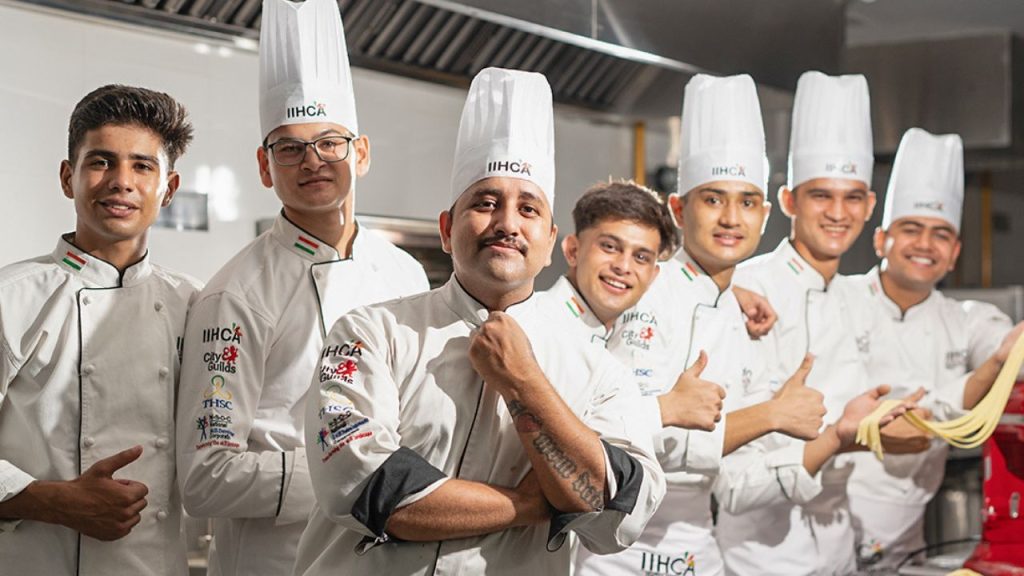
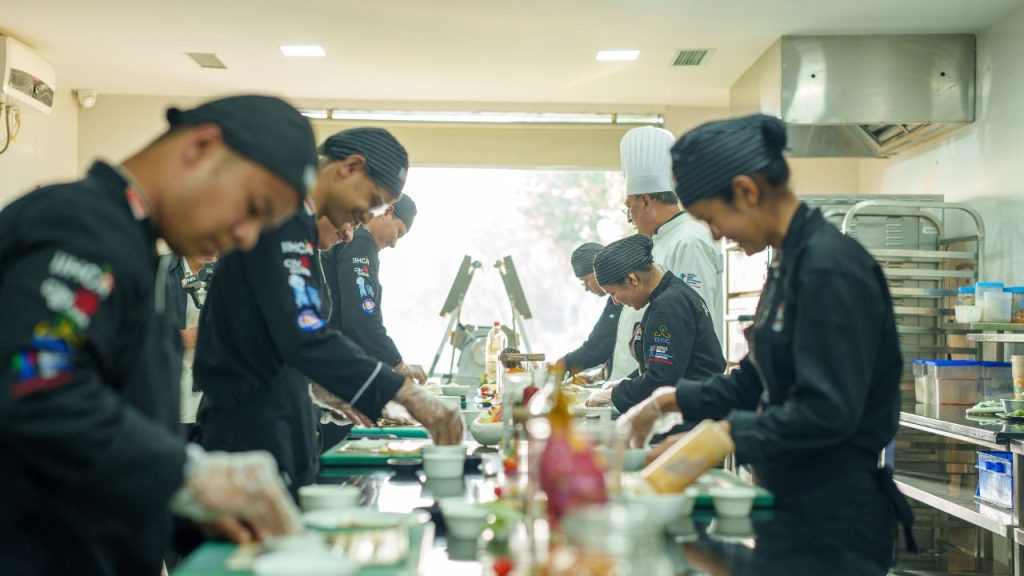
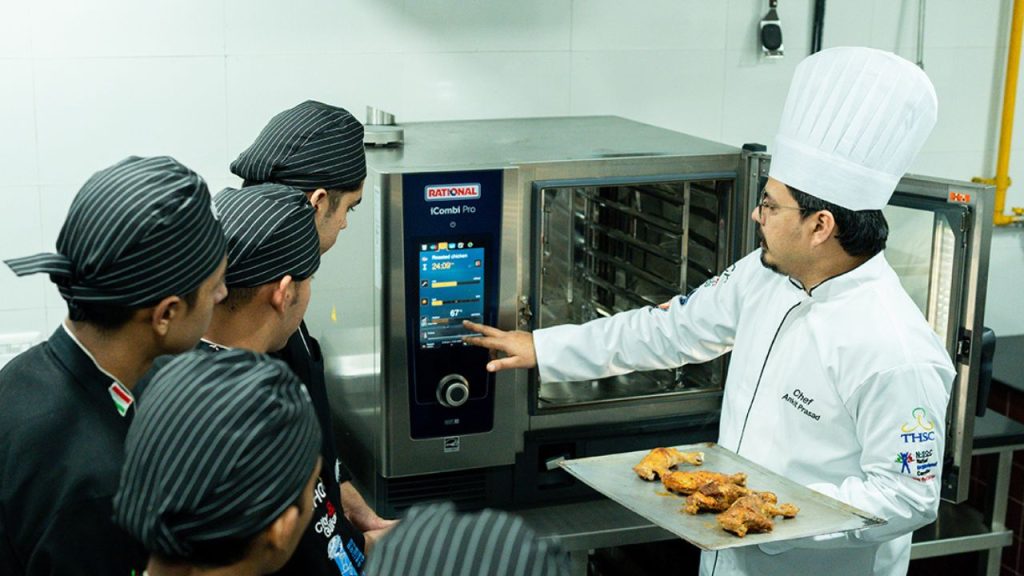
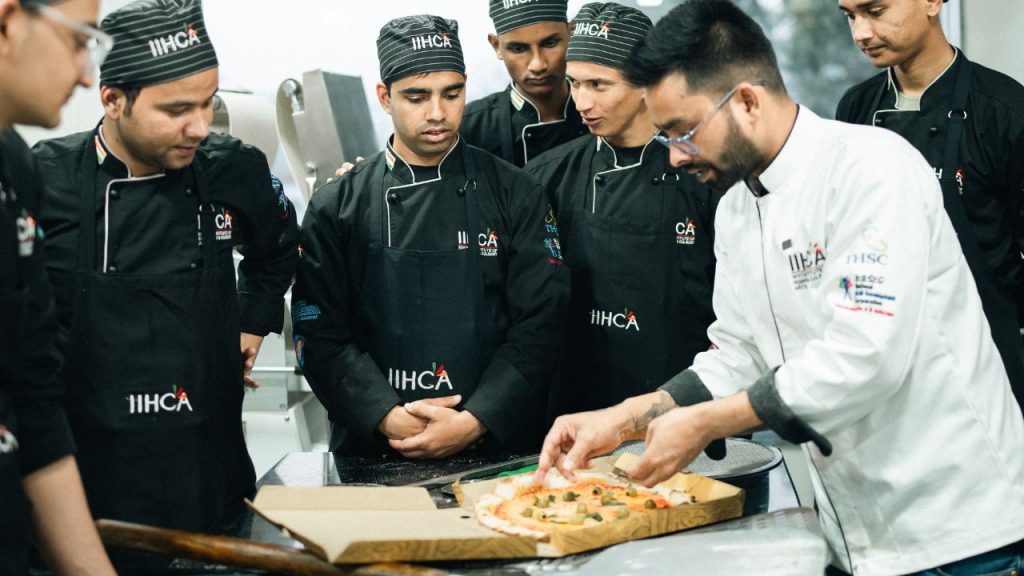
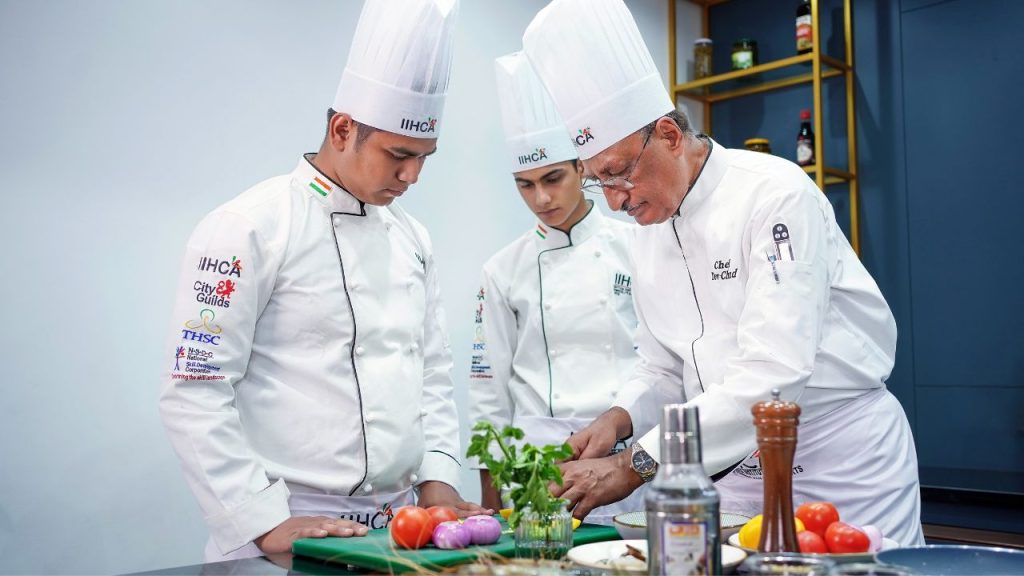
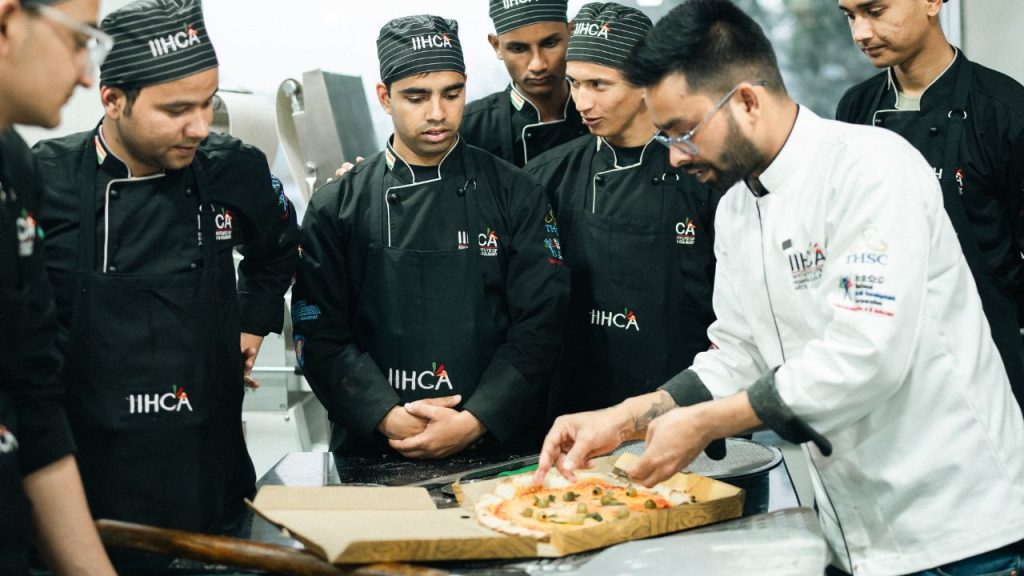
What is the future of culinary arts? Apply for Admissions Curious about what is the future of culinary arts? The culinary industry is undergoing a transformative evolution, shaped by technological advancements, shifting consumer preferences, and global influences. Culinary arts is no longer just about cooking—it’s a dynamic field blending creativity, sustainability, and innovation. Whether you’re aiming for a career in restaurants, hotels, cruise lines, or entrepreneurial ventures, understanding this future is key to thriving in a chef career path. This comprehensive guide explores emerging trends, the role of education like that offered by the Ishtha Institute of Hospitality and Culinary Arts (IIHCA), and how to prepare for a successful culinary career in the coming years. Apply for Admissions The Evolving Landscape of Culinary Arts The future of culinary arts is bright, driven by a mix of cultural shifts and technological progress. Traditionally, culinary arts focused on mastering cooking techniques and global cuisines, but today, it encompasses much more. Consumers are increasingly interested in health-conscious, sustainable, and personalized dining experiences, pushing chefs to adapt. The rise of plant-based diets, for instance, has led to a surge in demand for vegan and vegetarian menu planning skills, reflecting a global move toward environmental responsibility. Technology is another game-changer. Tools like artificial intelligence (AI) for recipe development, 3D food printing, and automated kitchen systems are redefining how food is prepared and served. These innovations are not just for large-scale operations; small restaurants and coffee shops are adopting them to enhance efficiency and customer satisfaction. The hospitality industry is also embracing virtual reality (VR) to offer immersive dining experiences, where patrons can “taste” dishes from around the world without leaving their seats. Globalization continues to shape culinary arts, with fusion cuisines gaining popularity. Chefs are blending Indian spices with French techniques or incorporating Middle Eastern flavors into Western dishes, creating unique offerings. This trend is particularly evident in Gulf Countries like Dubai and Qatar, where diverse expatriate populations drive demand for innovative food. For aspiring chefs, this evolving landscape offers endless opportunities to innovate and lead in the culinary job market. Admissions Open for Chef Course | Apply Now! IIHCA’s Hospitality Courses After 12th lead to global careers. Key Trends Shaping the Future of Culinary Arts Several trends are set to define what is the future of culinary arts in the coming decades. These shifts are influencing training programs, career paths, and the skills chefs need to succeed. Sustainability and Plant-Based Cuisine Sustainability is at the forefront of the culinary world. With climate change concerns growing, chefs are adopting eco-friendly practices such as reducing food waste, sourcing local ingredients, and promoting plant-based menus. The rise of veganism and flexitarian diets has led to a boom in plant-based culinary skills development, with dishes like jackfruit “pulled pork” or lentil-based patties becoming mainstream. Institutions like IIHCA are integrating these principles into their culinary education programs, preparing students to meet this demand. This trend also extends to farm-to-table dining, where chefs work directly with local farmers to create seasonal menus. This approach not only supports local economies but also appeals to environmentally conscious consumers. Chefs who master these skills are well-positioned to lead in fine-dining restaurants and luxury hotels, where sustainability is a selling point. Technological Integration Technology is revolutionizing culinary arts, from kitchen automation to data-driven menu planning. AI tools can analyze customer preferences to suggest recipes, while robotic arms assist with repetitive tasks like chopping or plating. 3D food printing allows for customized desserts or intricate designs, offering a new creative outlet for chefs. These advancements are enhancing kitchen management skills and efficiency, particularly in high-volume settings like cruise lines or 5-star hotels. Virtual and augmented reality are also emerging, enabling chefs to offer virtual tasting experiences or train staff remotely. For instance, a chef in India could guide a team in France using VR, breaking geographical barriers. IIHCA’s forward-thinking curriculum includes exposure to these technologies, ensuring students are ready for a tech-savvy culinary career. Health and Personalization Health-conscious eating is shaping the future, with a focus on personalized nutrition. Chefs are collaborating with dietitians to create menus tailored to individual needs, such as low-carb or gluten-free options. This trend is fueled by wearable tech that tracks dietary preferences, allowing restaurants to offer bespoke dining experiences. Skills in food safety standards and nutritional knowledge are becoming essential, aligning with the culinary job readiness required in modern kitchens. This personalization extends to cultural adaptations, where chefs cater to diverse palates in Gulf Countries or international hotel chef jobs. IIHCA’s training emphasizes these skills, preparing students to meet the health-focused demands of tomorrow’s diners. Global Fusion and Cultural Exchange The blending of global cuisines is a hallmark of the future. Chefs are experimenting with fusion dishes, such as sushi tacos or Indian-inspired pizzas, reflecting a world where culinary boundaries are blurring. This trend is particularly strong in cosmopolitan cities and international chef salary markets like Dubai or London, where diverse populations drive demand. Cultural exchange also fosters collaboration, with chefs learning techniques from different regions. IIHCA’s programs, guided by Chef Dev Chand (with 36 years of experience, including 28 years with Carnival Cruise Line), incorporate this diversity, offering students a global perspective. This prepares them for roles in luxury hotels or cruise lines, where multicultural menus are a competitive advantage. The Role of Education in Shaping the Future Education is the cornerstone of preparing for what is the future of culinary arts. As the industry evolves, traditional skills alone are insufficient—chefs need a blend of technical expertise, business acumen, and adaptability. Institutions like IIHCA are leading this charge by offering cutting-edge culinary education programs. IIHCA’s Approach to Future-Ready Training IIHCA’s 1-year Diploma in Culinary Arts and 12-week Certification in Barista are designed to equip students with future-ready skills. The curriculum covers cooking techniques training, global cuisines, and kitchen management skills, while introducing students to emerging technologies like AI and 3D printing. Hands-on training in state-of-the-art kitchens ensures practical experience, mirroring the high-tech environments of tomorrow. The rapid
What is the Future of Culinary Arts? Read More »