

How to Become a Chef in India After 12th – Best Courses, Career Guide & Scope 2026
The sizzle of a hot pan, the aromatic dance of spices, and the sheer artistry of a perfectly plated dish—the life of a chef is one of passion, precision, and immense reward. If you are a Class 12 student standing at the crossroads of your future, or a parent wondering if a culinary career is a stable path, the answer is a resounding “Yes.” As we look toward 2026, the Indian hospitality sector is projected to soar to a staggering USD 27.96 billion. This growth isn’t just in numbers; it represents a massive demand for skilled culinary professionals in 5-star hotels, luxury cruise lines, and high-end fine-dining restaurants.
Gone are the days when cooking was seen as a secondary career. Today, being a chef is a prestigious, global profession offering high salaries and the chance to travel the world. Whether your dream is to lead a kitchen in a Michelin-starred restaurant in Paris, manage high-volume catering on a Caribbean cruise, or launch your own food brand in Mumbai, the journey begins right after your board exams. In this guide, I will walk you through everything you need to know about navigating the culinary landscape in India and beyond.
What to Study to Become a Chef After 12th
For many students, the first question is always: “Do I need a degree, or is a diploma enough?” The truth is that the culinary industry values skills and hands-on experience above all else. When considering what to study to become a chef, you should prioritize programs that offer a heavy emphasis on practical training—ideally 80% hands-on and 20% theory.
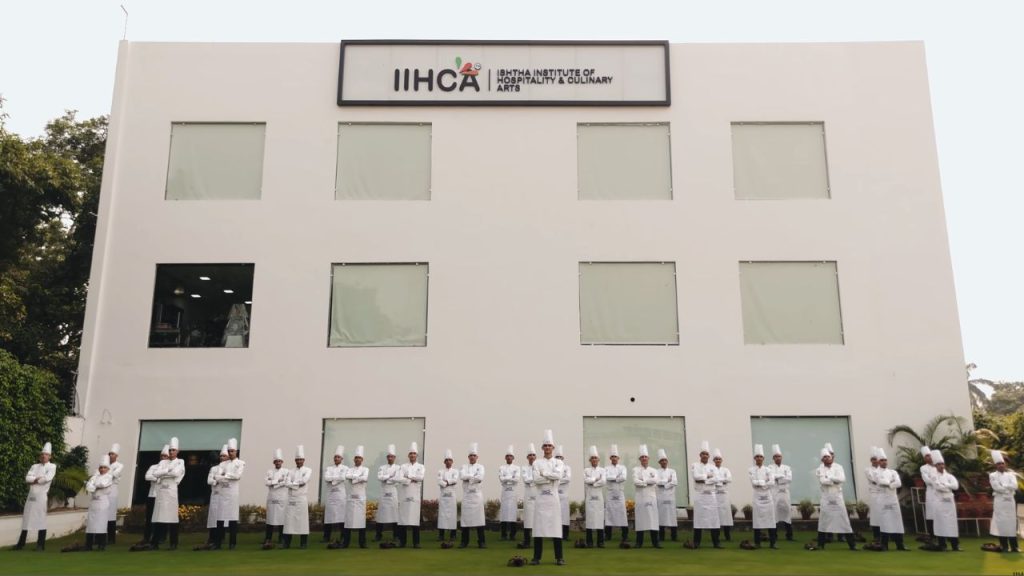
At the Ishtha Institute of Hospitality and Culinary Arts (IIHCA), we focus on a curriculum that mirrors real-world 5-star environments. Students should look for courses that cover:
- Knife Skills: The fundamental building block of any chef’s career.
- International Cuisines: Mastery of Indian, Continental, Oriental, and Mediterranean styles.
- Bakery and Pastry Arts: Understanding the science of flour, sugar, and yeast.
- Food Safety and HACCP: Essential standards for global hygiene and kitchen management.
- Modern Techniques: Exploring trends like molecular gastronomy to stay competitive in the 2026 market.
Choosing a vocational path allows you to bypass years of general academic theory and jump straight into the specialized training required for the industry.
Best Chef Courses After 12th in India
Selecting the right course is the most critical decision you will make. In India, you have three primary pathways: Degree, Diploma, and Certification. While degrees provide a broad overview of hotel management, a dedicated chef course after 12th is designed specifically for those who want to spend their time in the kitchen rather than behind a reception desk.
For those seeking the best chef course after 12th in India, IIHCA offers specialized international diplomas accredited by City & Guilds, London, ensuring your qualification is recognized globally.
1. The 1-Year Assured Diploma in Culinary Arts
This is an intensive, fast-track program designed for students who want to enter the workforce quickly. It includes:
- 6 months of rigorous campus training in state-of-the-art kitchens.
- 6 months of industrial training (internship) at 5-star hotels.
- Focus on core culinary skills, food safety, and kitchen operations.
2. The 2-Year Assured Diploma (International) in Culinary Arts & Science
This is our flagship “Assured Diploma (International) in Culinary Arts & Science” variant, perfect for students aiming for leadership or specialized roles.
- Year 1: Deep dive into global cuisines, nutrition science, and advanced bakery.
- Year 2: A full 12-month paid internship, often in international locations like the UAE, Maldives, or France.
3. Specialized Certifications
For those looking to add specific feathers to their cap, short-term certifications in Bartending, Barista Skills, or Pizza Making can significantly boost employability in niche markets.
Step-by-Step Guide: What to Do After 12th to Become a Chef
Navigating your first steps can feel overwhelming, but following a structured plan can ensure success. Here is the exact roadmap for what to do after 12th to become a chef:
- Clear Your 12th Grade: You can come from any stream—Science, Commerce, or Humanities. All you need is a pass certificate and a genuine passion for food.
- Research and Apply: Look for institutes like IIHCA that offer international accreditation and a strong placement record. Admission is often based on merit and a personal interview rather than stressful entrance exams.
- Master the Fundamentals: During your campus training, focus on mastering the “boring” stuff—knife cuts, stock making, and kitchen hygiene. These are what make a professional chef.
- The Internship Phase: This is where you test your mettle. Whether it’s a Hyatt, Taj, or Marriott, your internship is your 12-month audition for a full-time role.
- Build a Portfolio: Document your journey, the dishes you create, and the skills you learn. In 2026, a visual portfolio is just as important as a resume.
Secure Your First Placement: Utilize your institute’s placement network to secure a role in a 5-star hotel or apply for the USA J1 Visa or Canada LMIA programs for international exposure.
How to Become a Chef in India – Complete Career Path
The culinary world has a very clear hierarchy. Understanding how to become a chef in India means knowing the ladder you need to climb. Your career doesn’t end with cooking; it evolves into management, creativity, and leadership.
Career Path Timeline
Phase | Designation | Typical Years of Experience |
|---|---|---|
Entry Level | Commis III, II, I | 0–3 Years |
Junior Management | Demi Chef de Partie (DCDP) | 3–5 Years |
Mid-Level | Chef de Partie (CDP) | 5–8 Years |
Senior Level | Sous Chef / Executive Sous Chef | 8–12 Years |
Top Tier | Executive Chef / Culinary Director | 12+ Years |
As you progress, your responsibilities shift from chopping and cooking to menu engineering, inventory control, and leading large teams. Experts like Chef Dev Chand, who brings over 30 years of international experience to IIHCA, often remind students that while the journey is demanding, the rewards—including working with Michelin-starred teams—are unparalleled.
Career Scope, Salary & Job Opportunities for Chefs in India 2026
The financial outlook for culinary professionals has never been better. In India, entry-level chefs (Commis) can expect to start with ₹5–8 Lakh per annum. However, the real “gold mine” lies in international placements and luxury cruise lines.
- Cruise Line Roles: Chefs on global cruises can earn upwards of $8,000 per month, often tax-free, with all living expenses covered.
- International Hubs: There is a massive demand for Indian-trained chefs in the Gulf (UAE, Qatar), USA, Canada, and Australia.
- Executive Roles: Top-tier Executive Chefs in India can earn ₹30 Lakh+ per annum.
With over 8,000 alumni from IIHCA working in brands like Royal Caribbean, Norwegian Cruise Line, and JW Marriott, the path to a high-paying global career is well-trodden and proven.
Frequently Asked Questions (FAQs)
- Is it necessary to have Science in 12th to become a chef?
No. Students from any stream—Arts, Commerce, or Science—are eligible to apply for culinary diplomas. - What is the minimum age to start a chef course?
Most professional programs, including those at IIHCA, require students to be at least 16 years old. - Do I need to clear an entrance exam like NCHMCT JEE?
While some government colleges require it, private institutes of excellence like IIHCA focus on merit and personal interviews to assess your passion. - How much can I earn as a fresher?
In India, freshers typically earn ₹5-8 Lakh per annum, while international roles or cruise lines offer significantly higher, often tax-free salaries. - Are these courses recognized internationally?
Yes, if you choose a program accredited by City & Guilds, London, your qualification is recognized in over 80 countries. - Can I become a chef if I don’t know how to cook at all?
Absolutely. Professional courses start from the very basics, assuming no prior experience. - What is the duration of the internship?
Typically, internships last between 6 to 12 months and are a mandatory part of the curriculum to ensure job readiness. - Is it a good career for women?
Yes! The culinary industry is becoming increasingly diverse, with many women leading top kitchens globally. - Does IIHCA help with visas for international jobs?
Yes, we provide dedicated assistance for programs like the USA J1 Visa and Canada LMIA to help our graduates transition to global roles.
Student Success Stories
Our alumni are our pride! Here’s what some of our students have to say:
Conclusion
Becoming a chef is more than just a job—it’s a lifestyle choice that offers creativity, discipline, and the world as your workplace. As we move into 2026, the opportunities for skilled professionals in India and abroad are limitless. The journey from a Class 12 student to a professional chef requires the right training, a bit of grit, and a lot of passion.
If you are ready to transform your love for food into a stable, high-paying, and prestigious international career, now is the time to act. Don’t let your dreams simmer on the back burner. Secure your future by choosing a program that offers global accreditation and a proven track record of success.